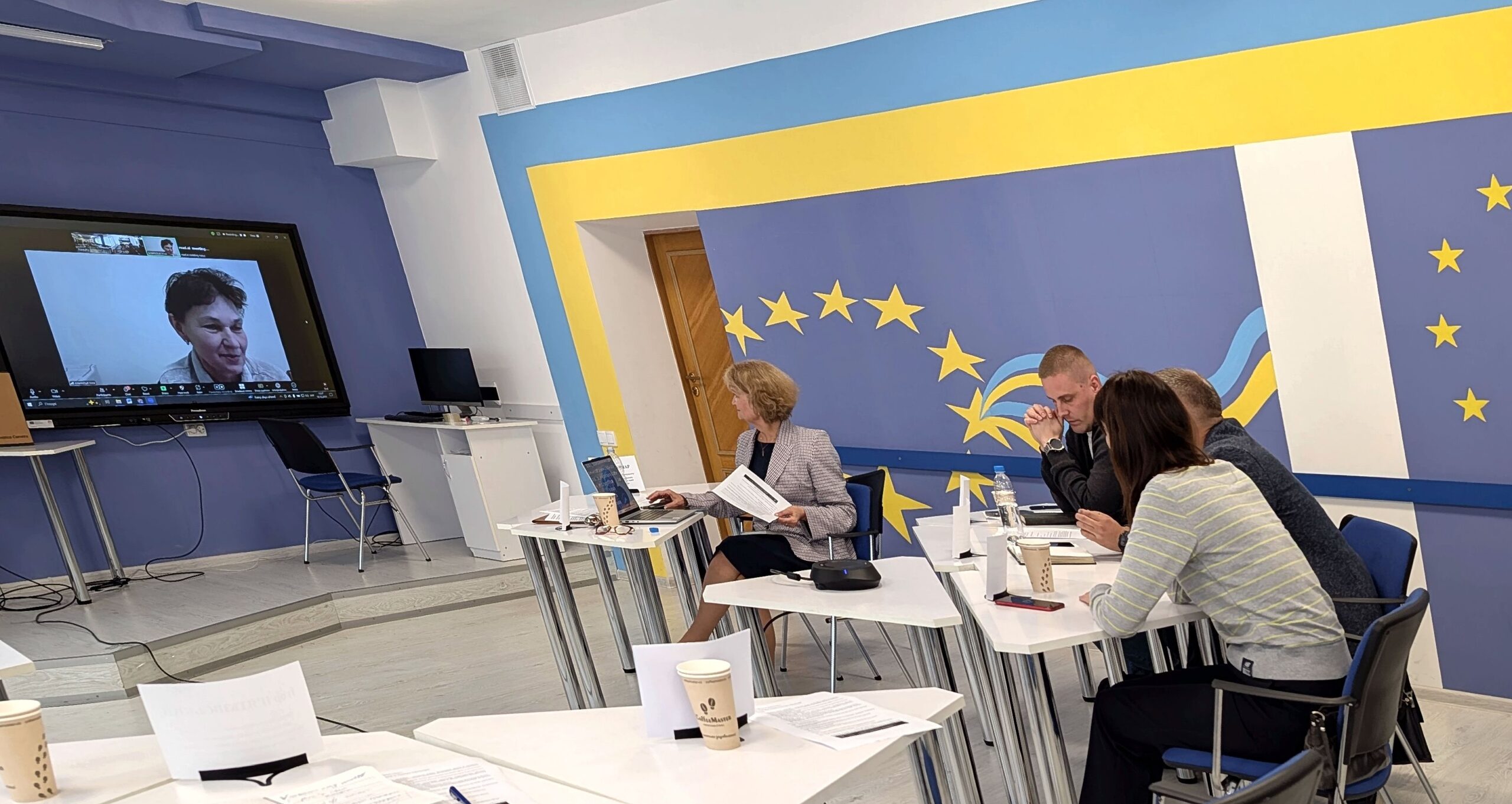
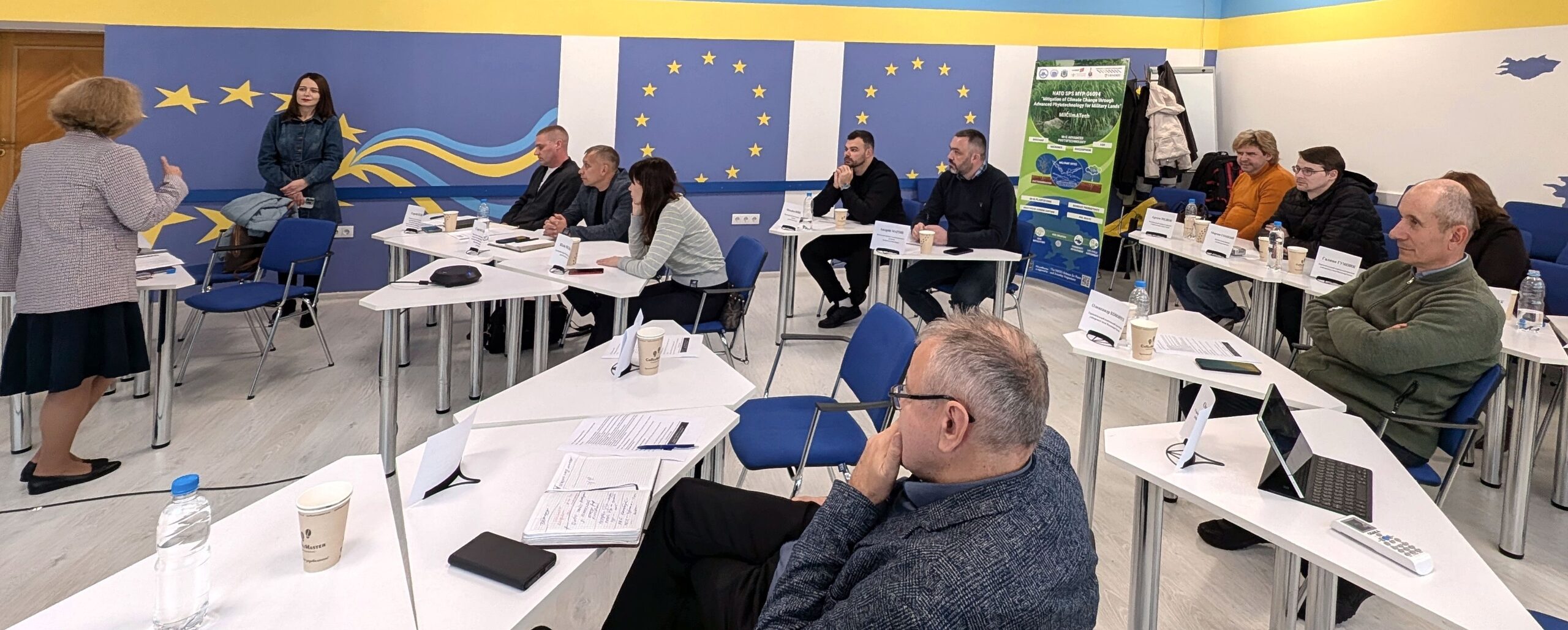
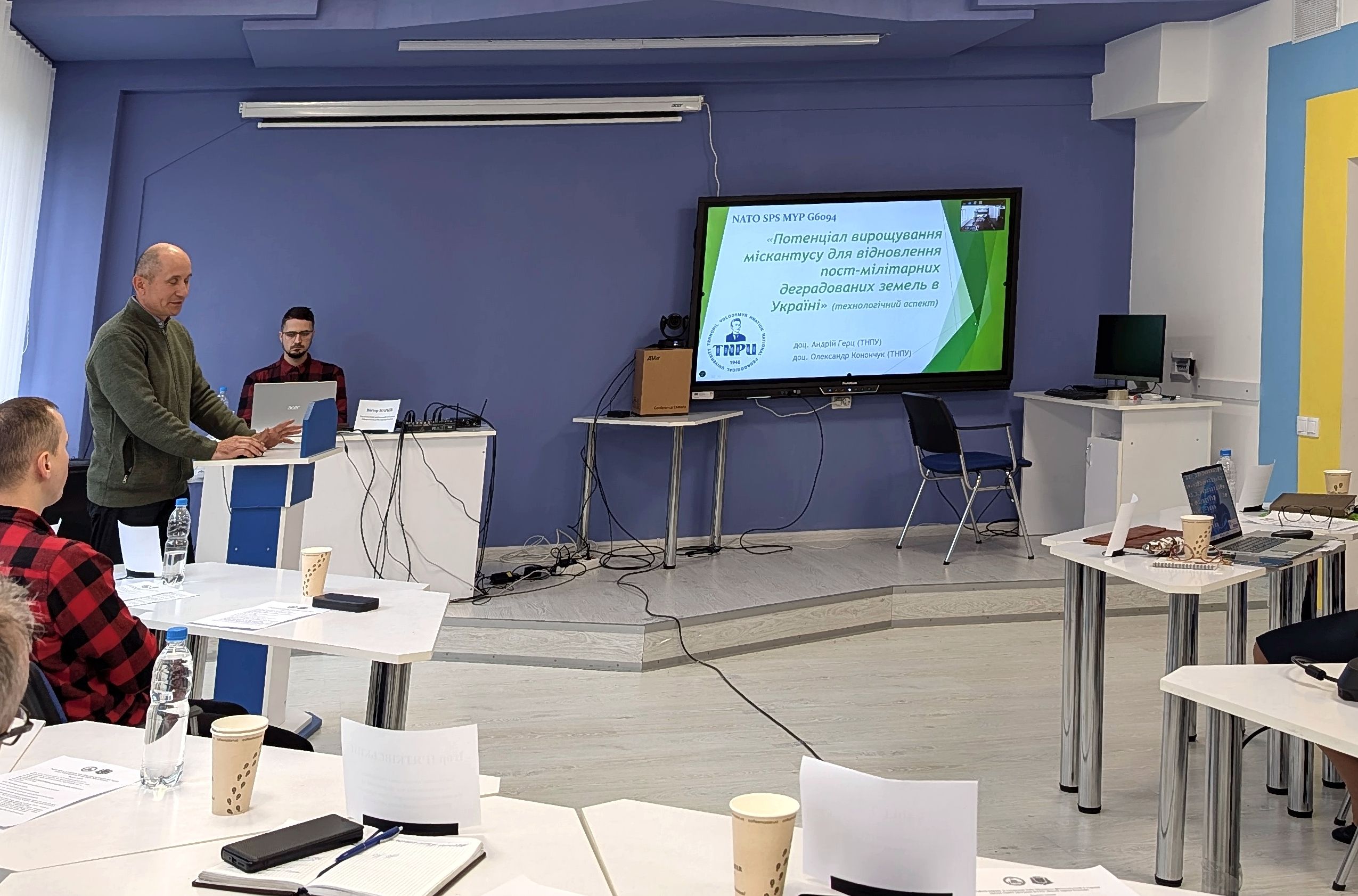
October 10, 2025: Working Meeting on the Establishment of the Miscanthus Phytotechnology HUB in Ukraine
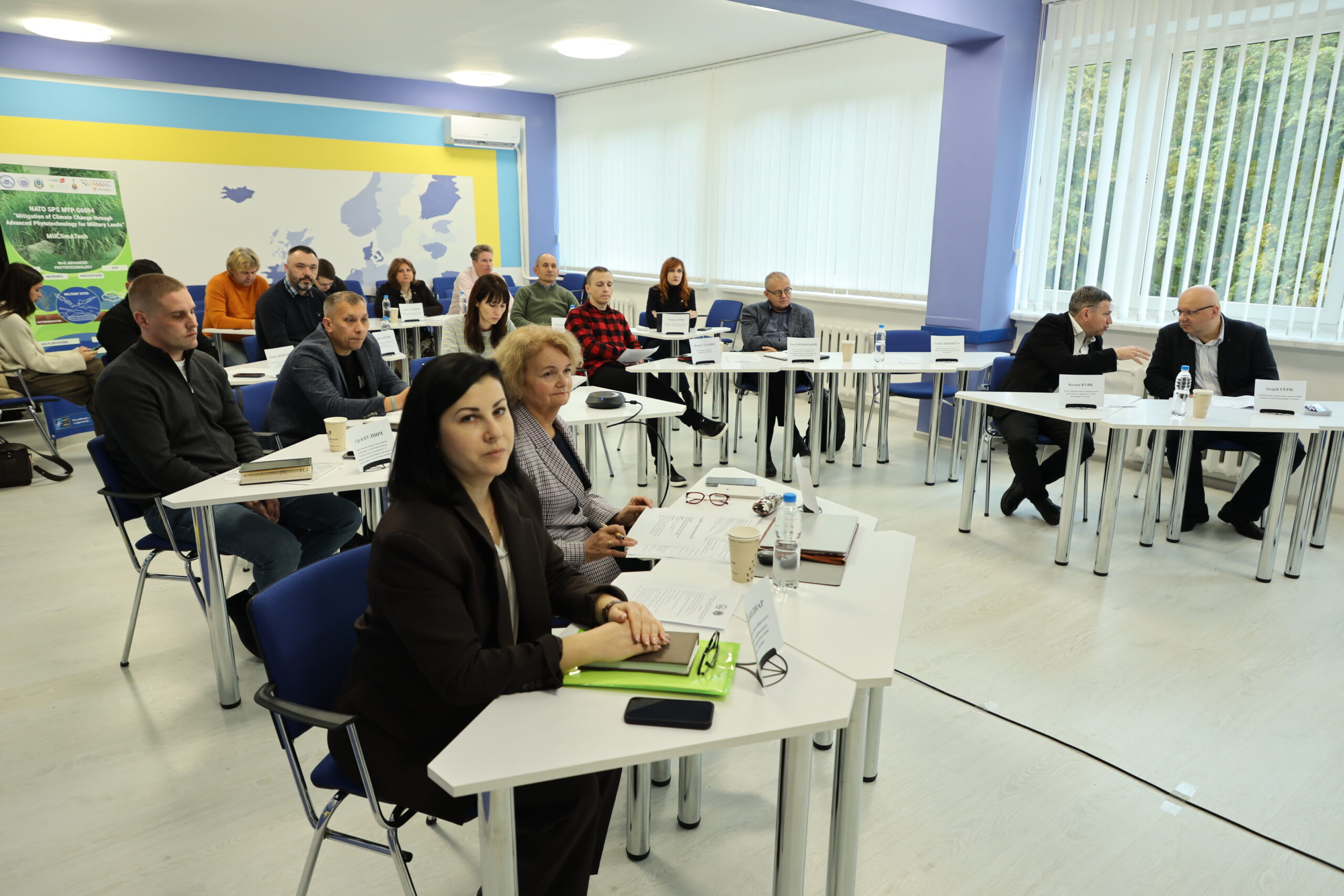
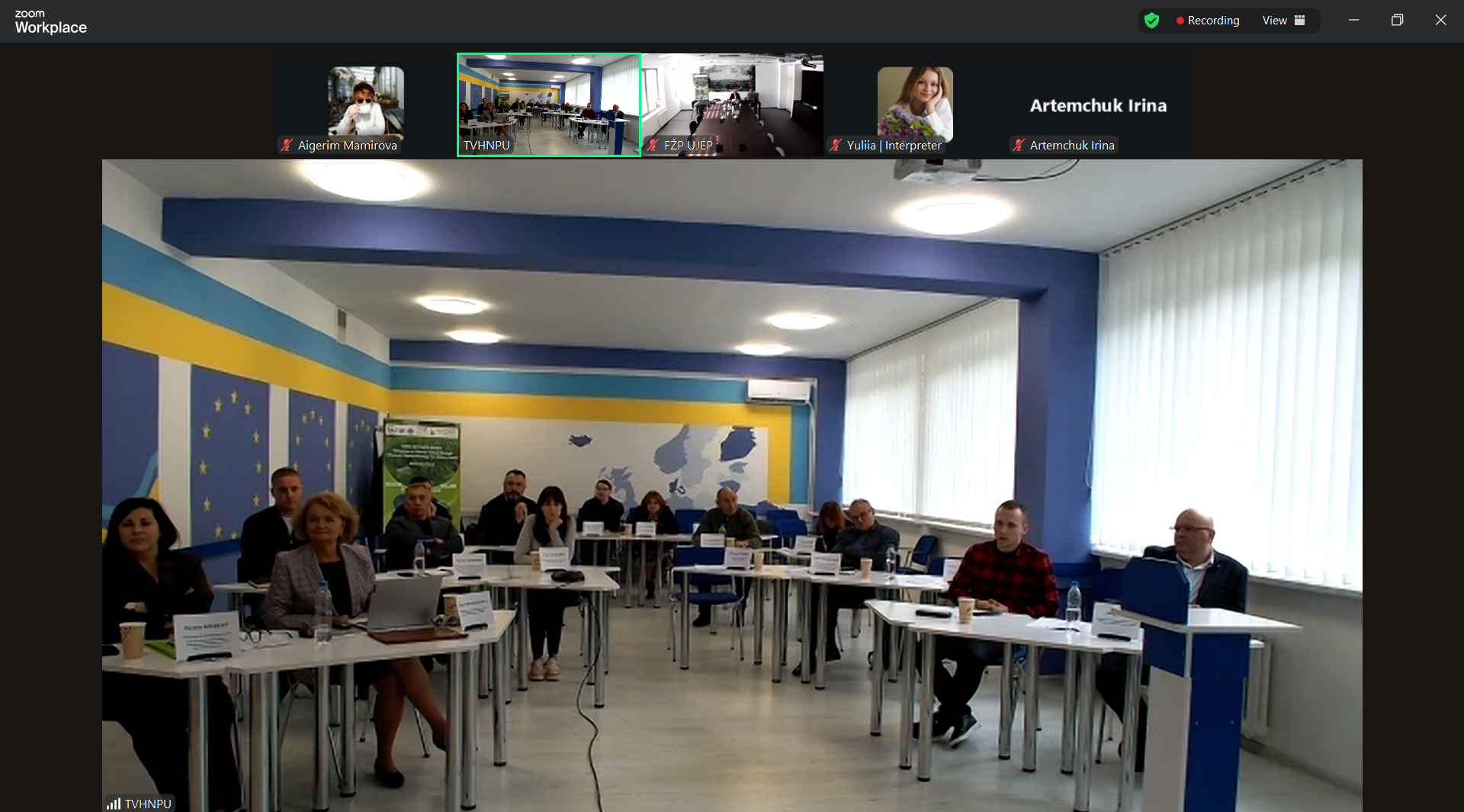
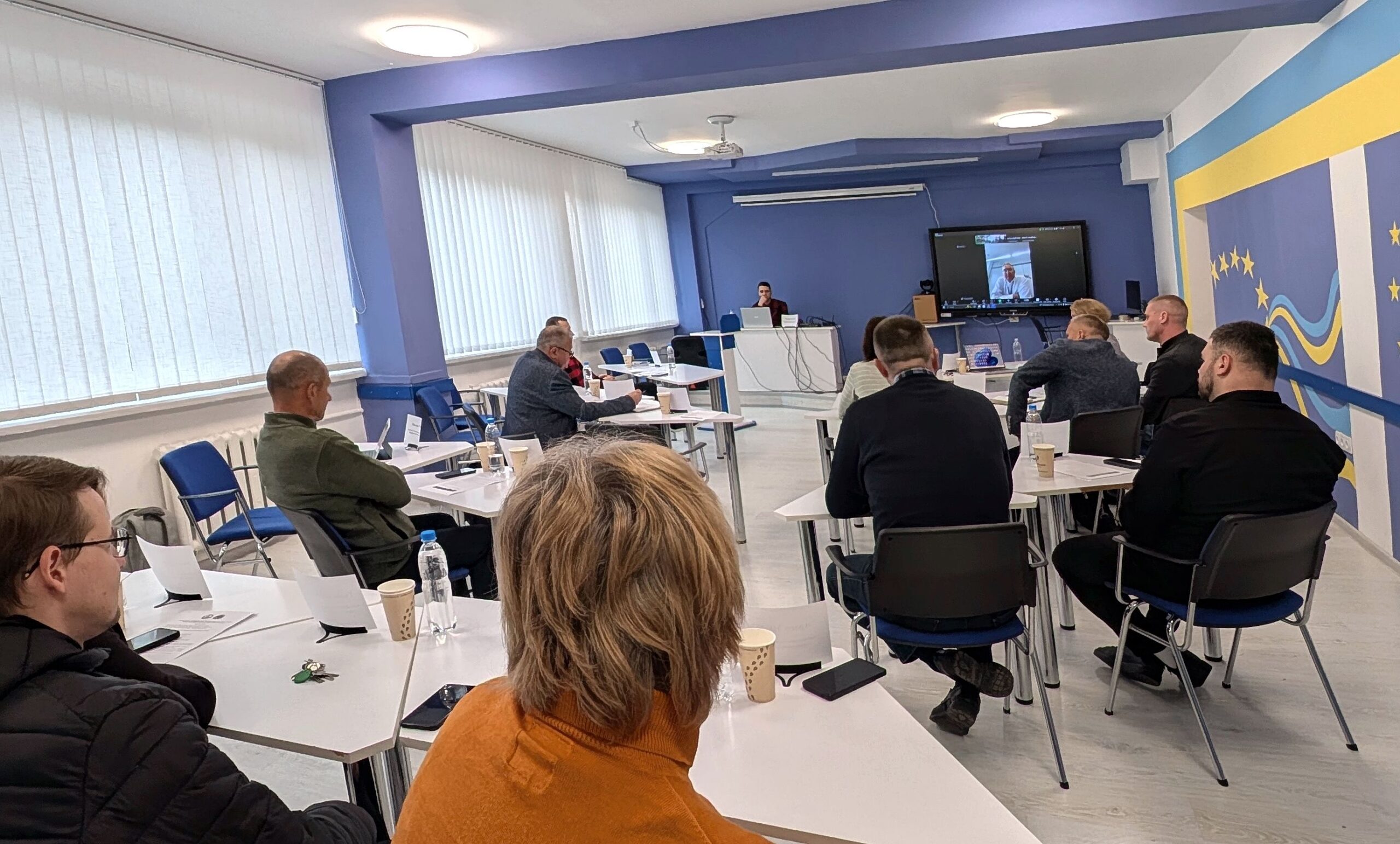
On October 10, 2025, a working meeting was held at Ternopil Volodymyr Hnatiuk National Pedagogical University (TVHNPU), dedicated to the establishment of the Miscanthus Phytotechnology HUB in Ukraine within the framework of Project G6094 (Working Package 5). The event brought together scientists (including members of Project G6094), representatives of local communities, and potential end users.
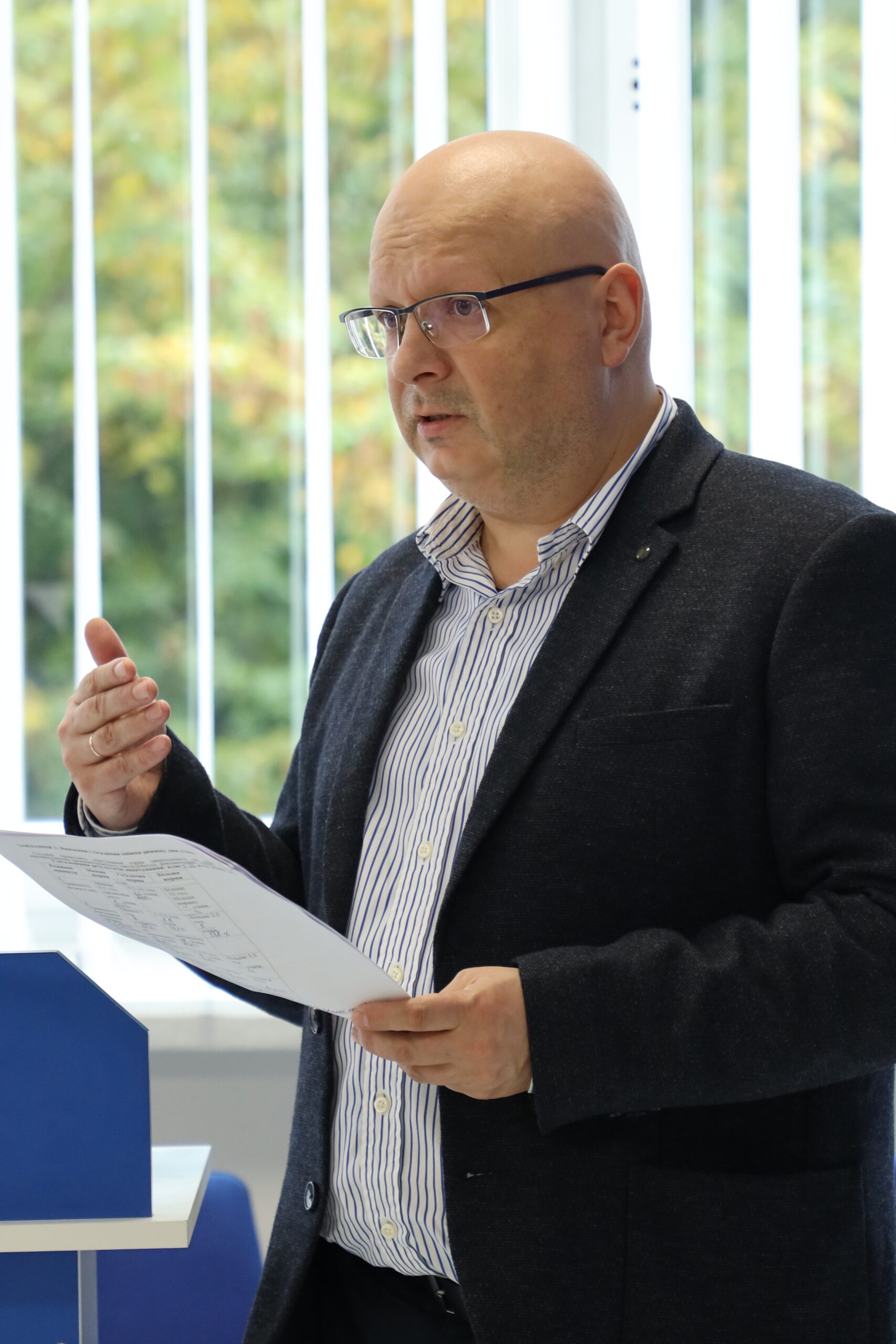
Professor Bohdan Buyak, Rector of TVHNPU, opened the meeting with welcoming remarks, emphasizing the importance of applied science for Ukraine’s future: “Science for the sake of science is worthless, but science for the sake of security is what we truly need today. We must focus on developing technologies that will support the country’s recovery after the war,” noted Professor Buyak.
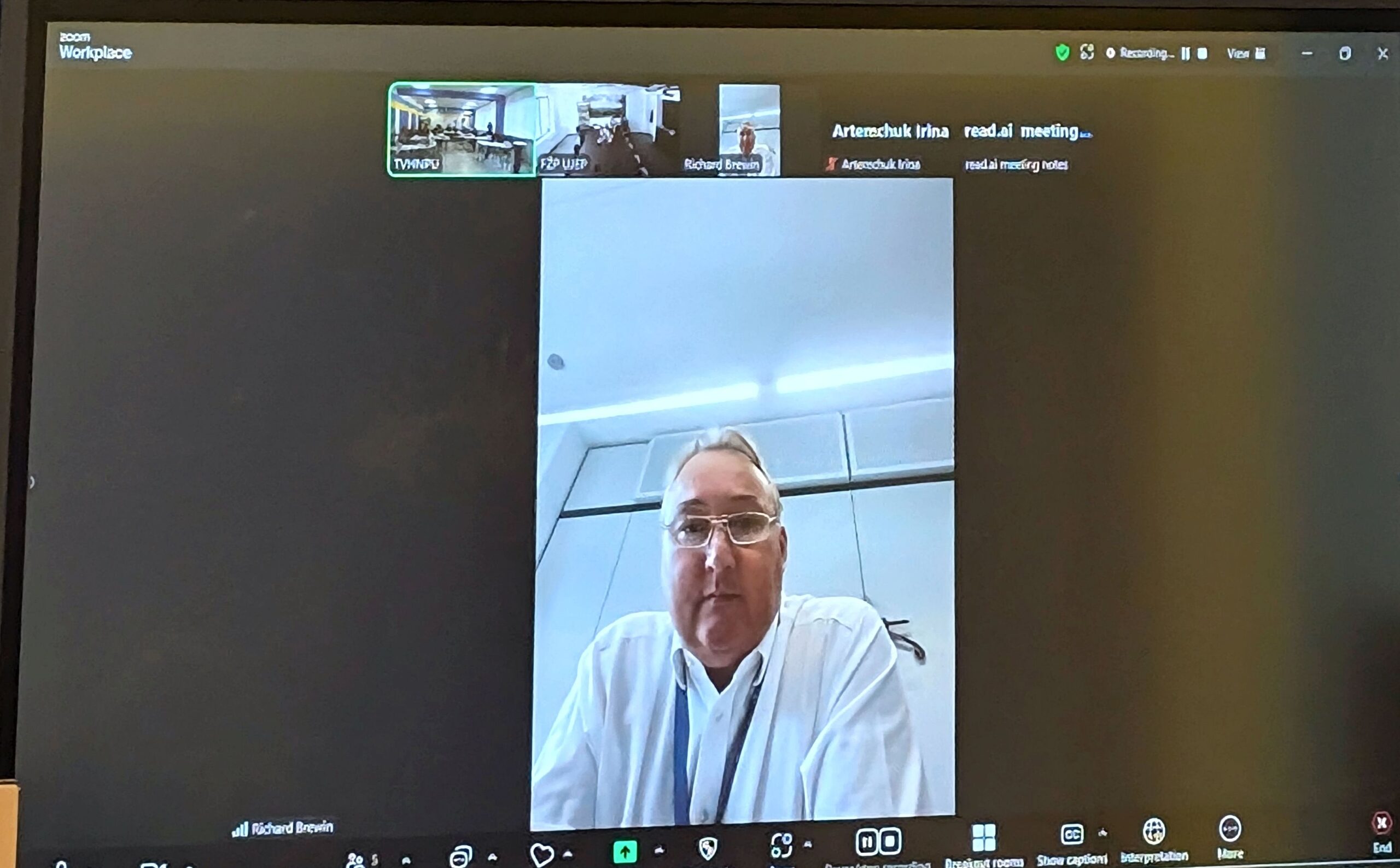
The project’s key vision was presented by the NATO Country Director, Professor Valentyna Pidlisnyuk (UJEP, Czech Republic). Support from the NATO Science for Peace and Security Programme was expressed by Mr. Richard Brewin, NATO Science Program Manager and Climate Security Lead, who commended the team for their research on military land restoration and highlighted the growing number of NATO-supported initiatives addressing such challenges.
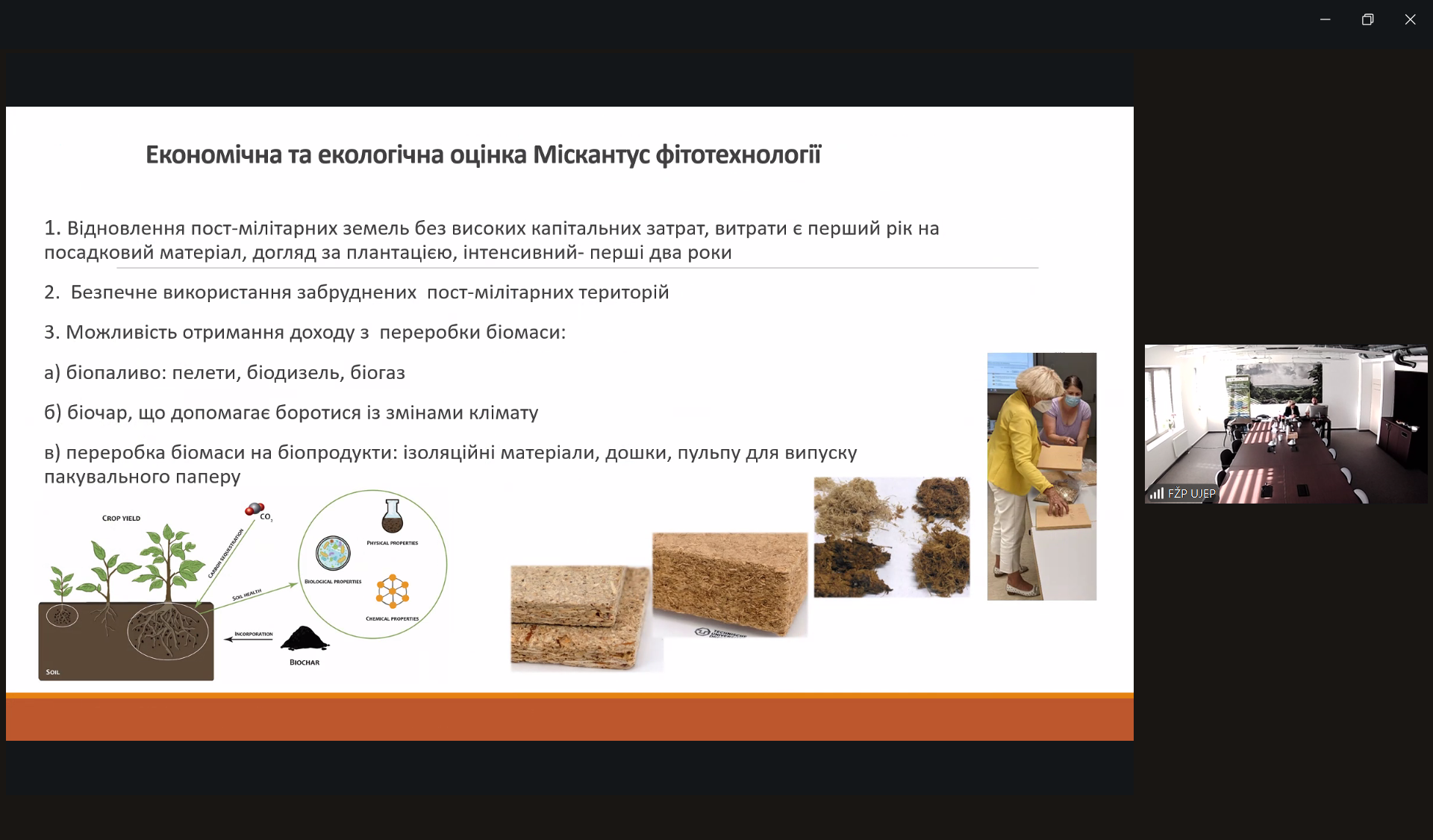
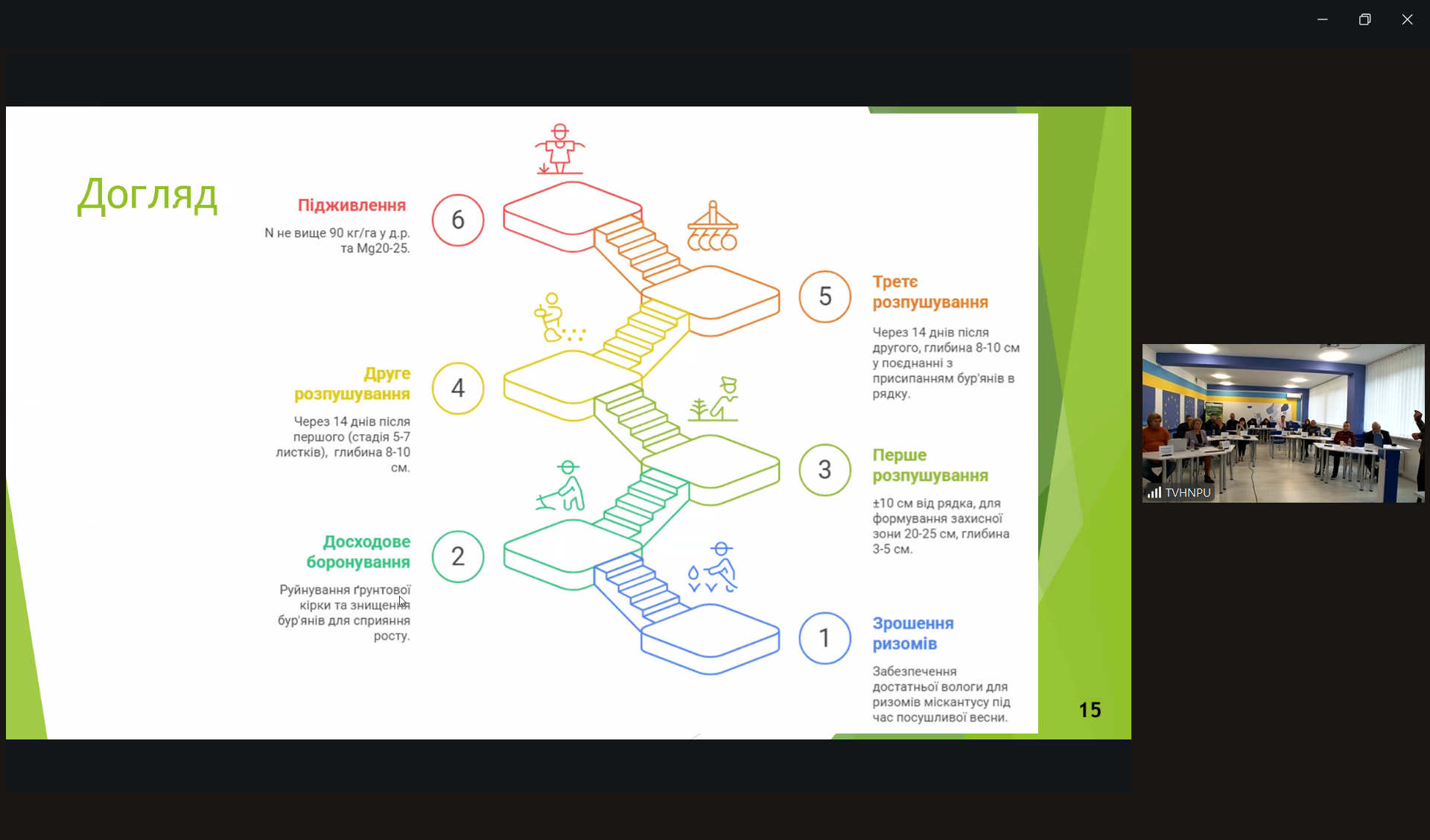
During the scientific session, participants presented the key components of the HUB. Teams from NULES (Co-Director Dr. Tetyana Stefanovska), TVHNPU (PPD, Dr. Andrii Herts and Dr. Oleksandr Kononchuk), NULP (Dr. Vitalii Stadnyk), and Al-Farabi Kazakh National University (Dr. Aigerim Mamirova) showcased their research on the potential of Advanced Miscanthus Technology for the revitalization of post-military lands, including the application of biochar and ash.
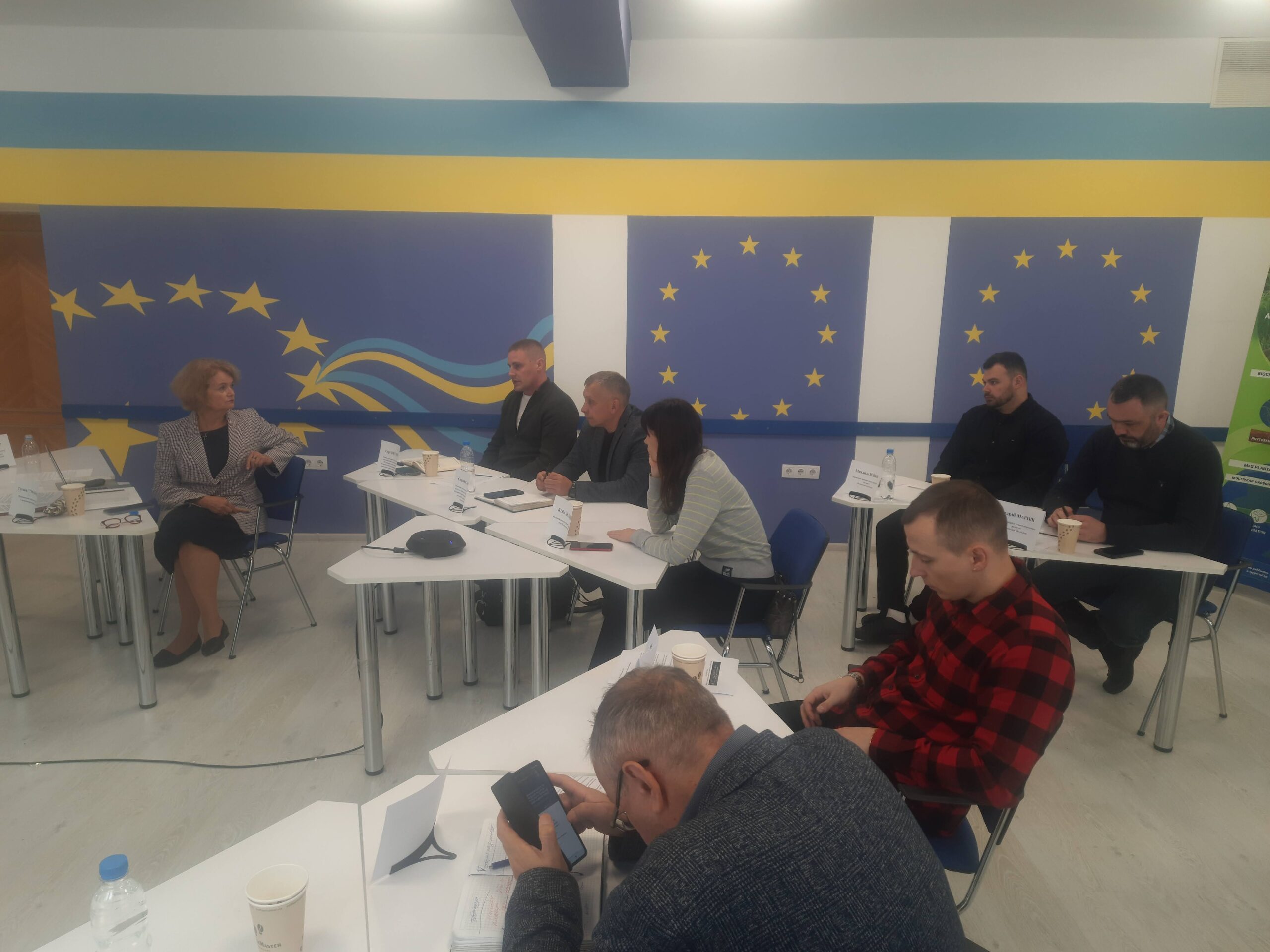
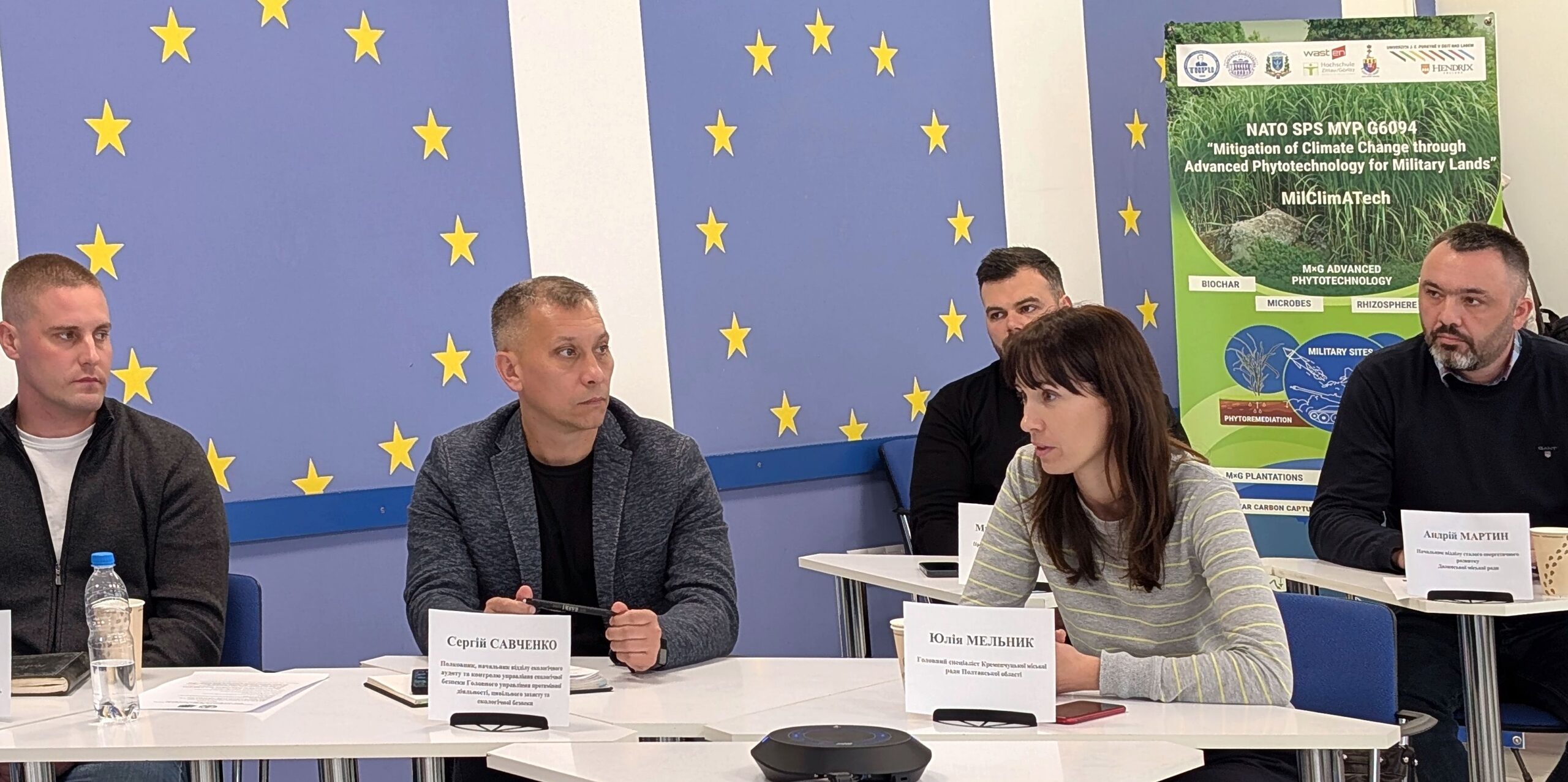
A particularly valuable component of the event was the brainstorming session, which proved highly productive due to the broad representation of participants. The discussion involved experts from the Main Directorate of Mine Action of the Ministry of Defence (Colonel Serhii Savchenko), the Center for the Generalization of War Consequences of the Ministry of Defence (Major Serhii Kulinich), as well as regional and local authorities.
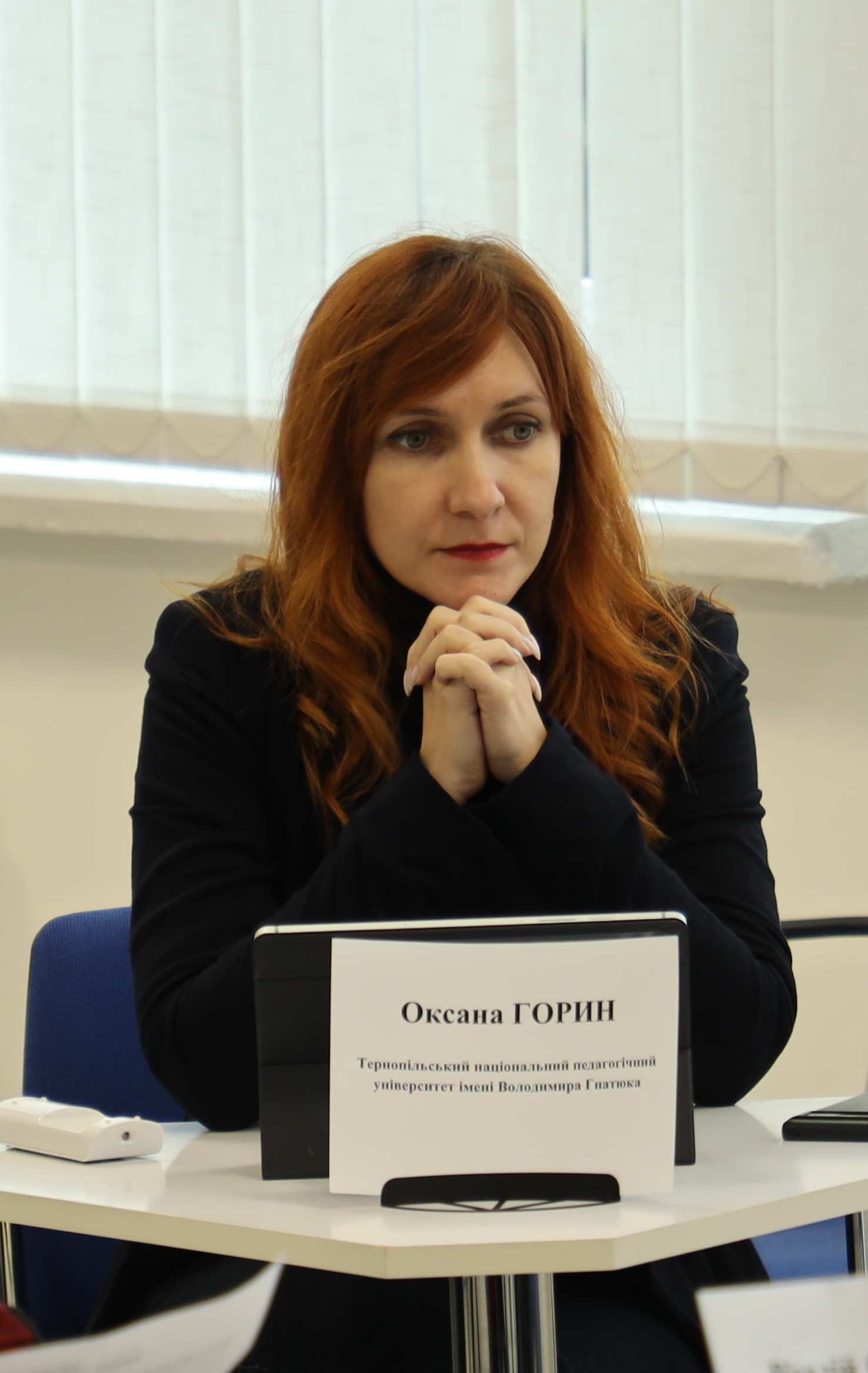
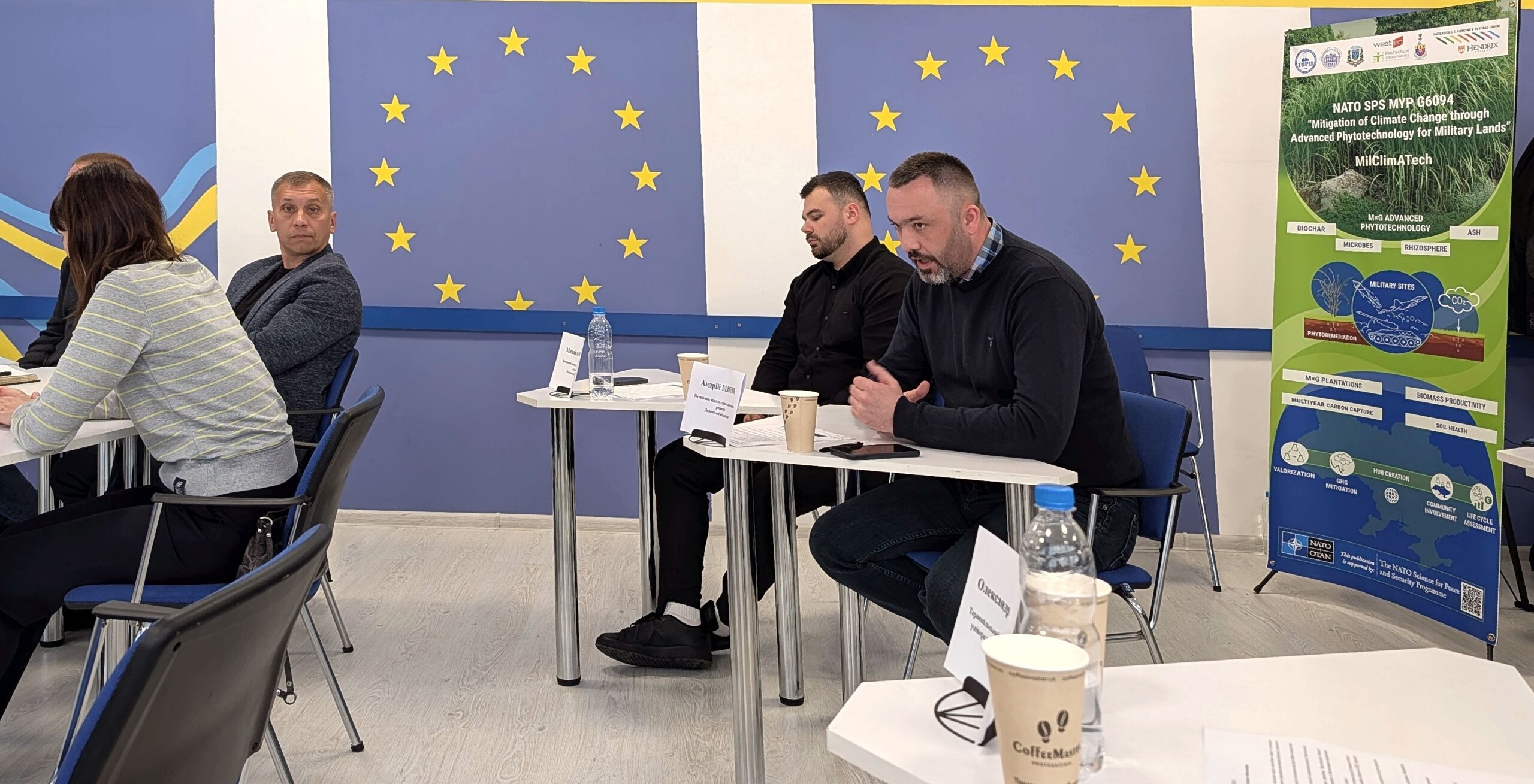
Active contributors were delivered by Halyna Bereketa, Head of the Department of Ecology and Natural Resources of the Ternopil Regional Military Administration; Ihor Piatkivskyi, Deputy Head of the same Department; Representatives of the Dolyna City Council (Ivano-Frankivsk Region): Andrii Martyn, Head of the Department for Sustainable Energy Development, and Mykhailo Voikiv, Leading Specialist of the Project Activity Department; Yuliia Melnyk, Head of the Ecology Department of the Kremenchuk City Council (Poltava Region).
Participants discussed challenges related to soil contamination in the Mykolaiv, Chernihiv, and Kherson Regions, as well as safety risks associated with conducting experiments in war-affected areas. “Within the Miscanthus HUB, we aim to create a space that unites science, communities, and innovative approaches. The next two years of the Project G6094 implementation will focus on disseminating and practical testing of the obtained scientific results” summarized Professor Valentyna Pidlisnyuk.
The meeting concluded with a discussion of specific next steps. Professor Pidlisnyuk announced the preparation of a Practical Guide on the Use of Advanced Miscanthus Phytotechnologies for the Restoration of Post-Military Territories, to be published in English and Ukrainian. The contribution of young researchers in advancing Miscanthus Phytotechnology was also acknowledged. In particular, a group of early-career scientists from NULP produced a short film highlighting research and outreach activities of all teams within the project.
To facilitate continued cooperation and data exchange, a dedicated online platform will be created and hosted on the project’s official website. The platform, designed to connect all stakeholders with project teams, will be coordinated by Co-Director Dr. Tetyana Stefanovska (NULES).
Ukrainian version is available at: https://tnpu.edu.ua/news/12032/