Bringing Ukrainian Communities and Stakeholders Together to Advance Miscanthus Phytotechnology: second HUB meeting
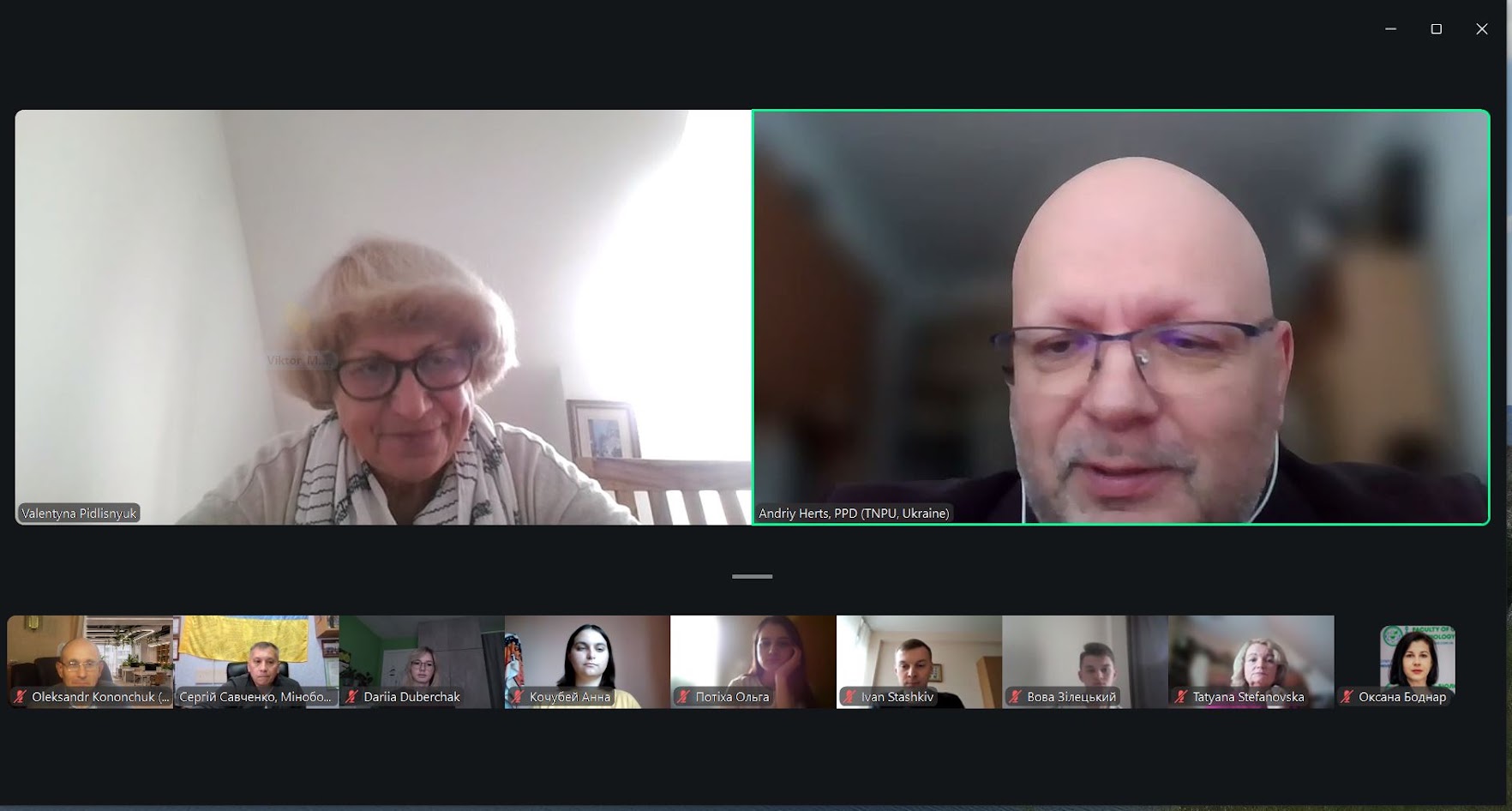
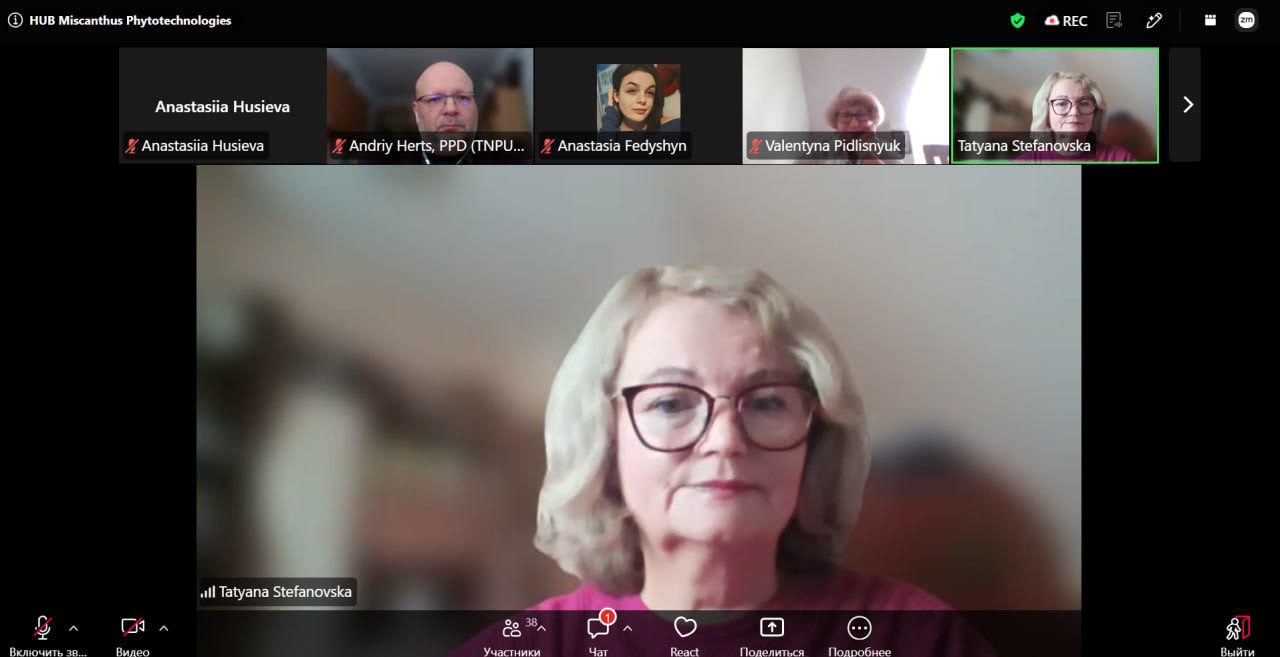
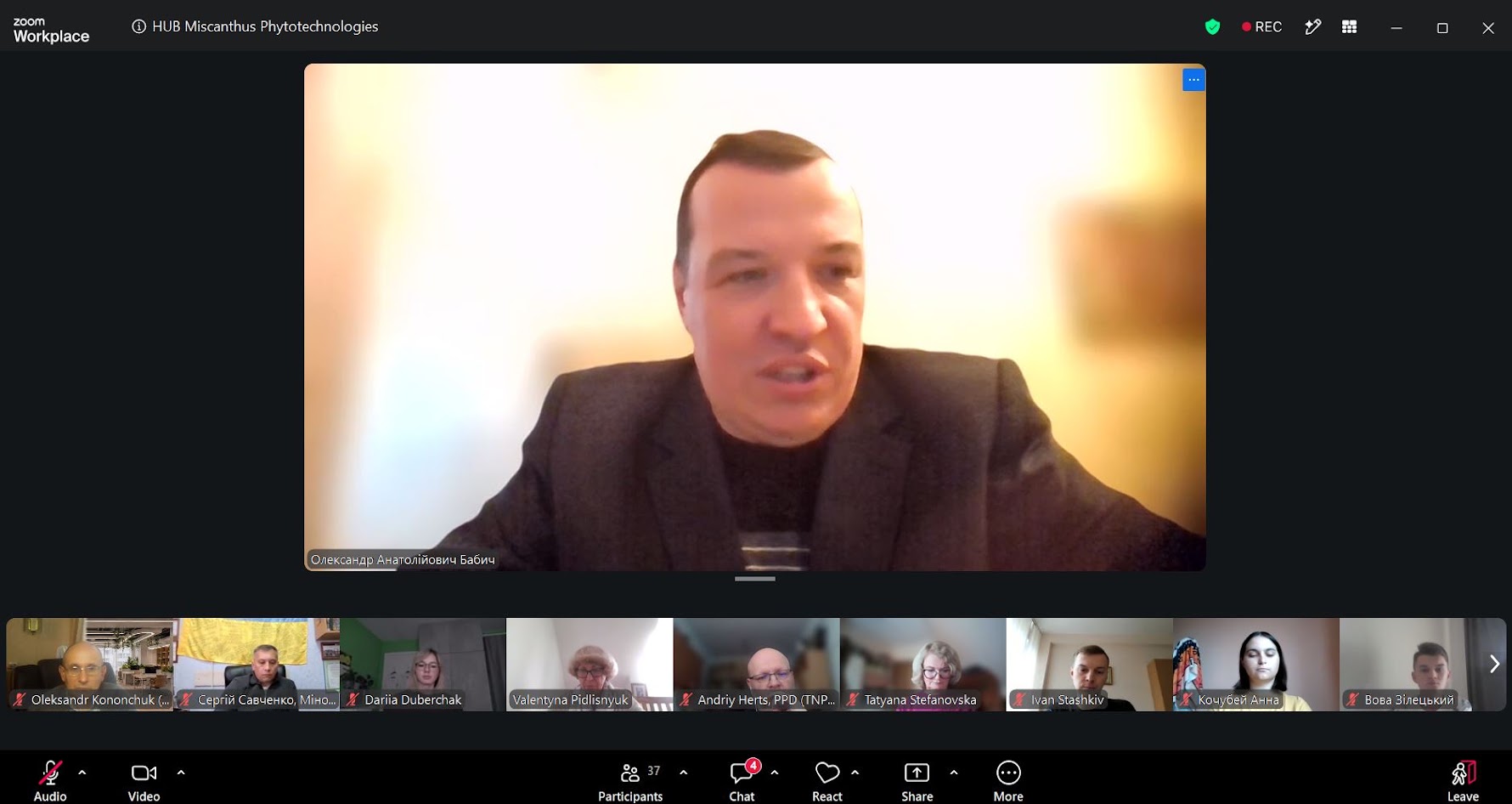
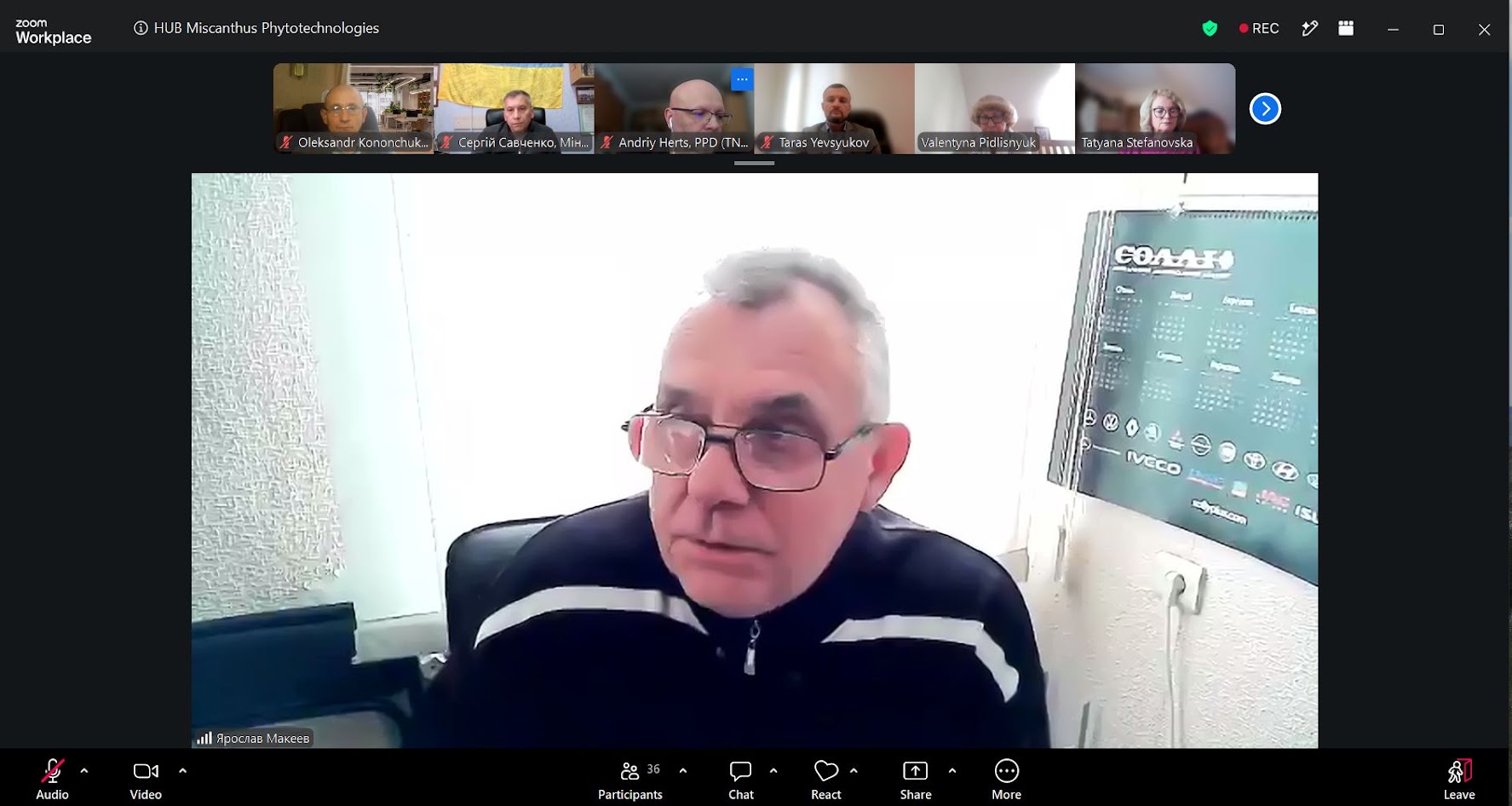
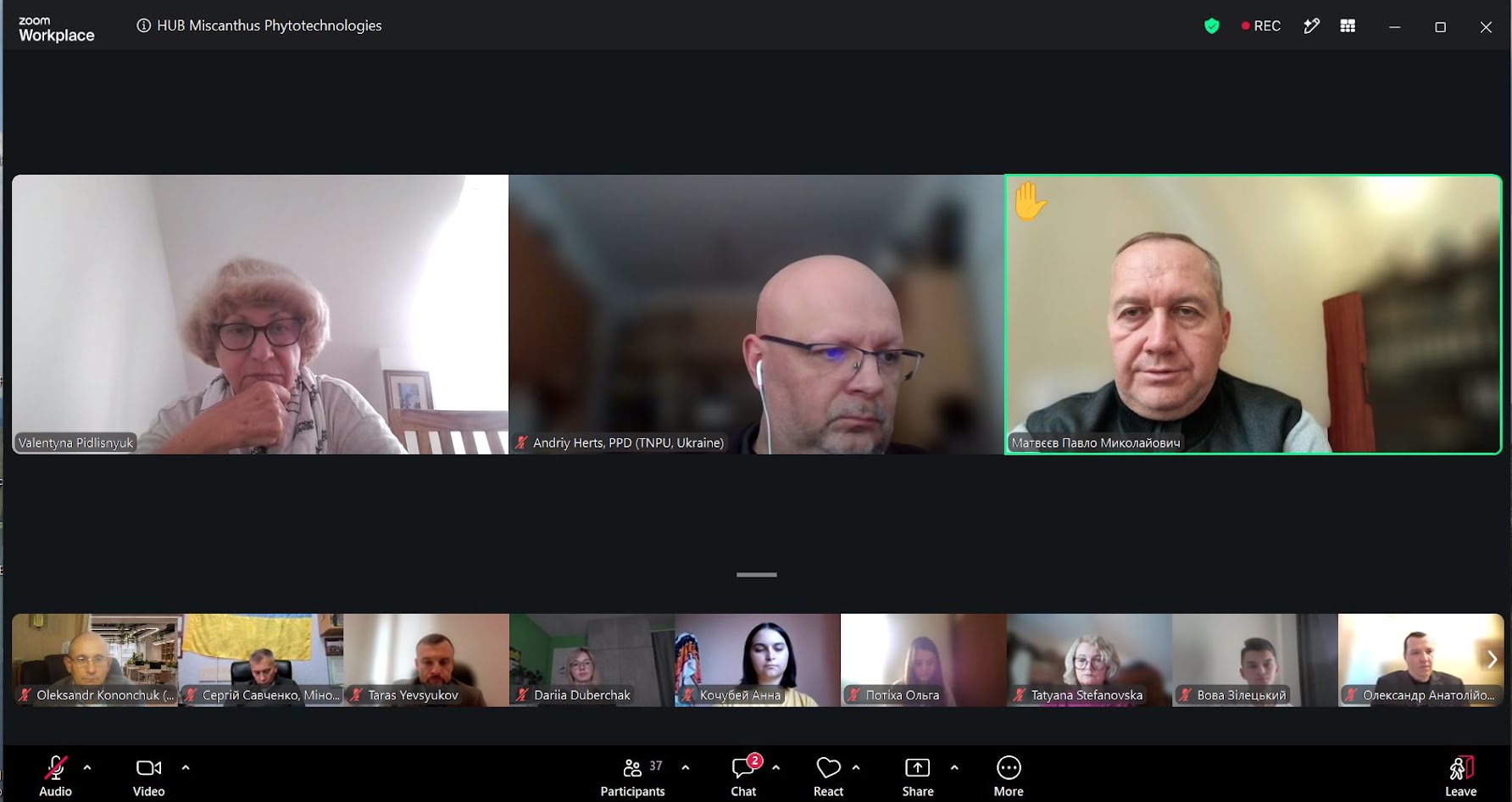
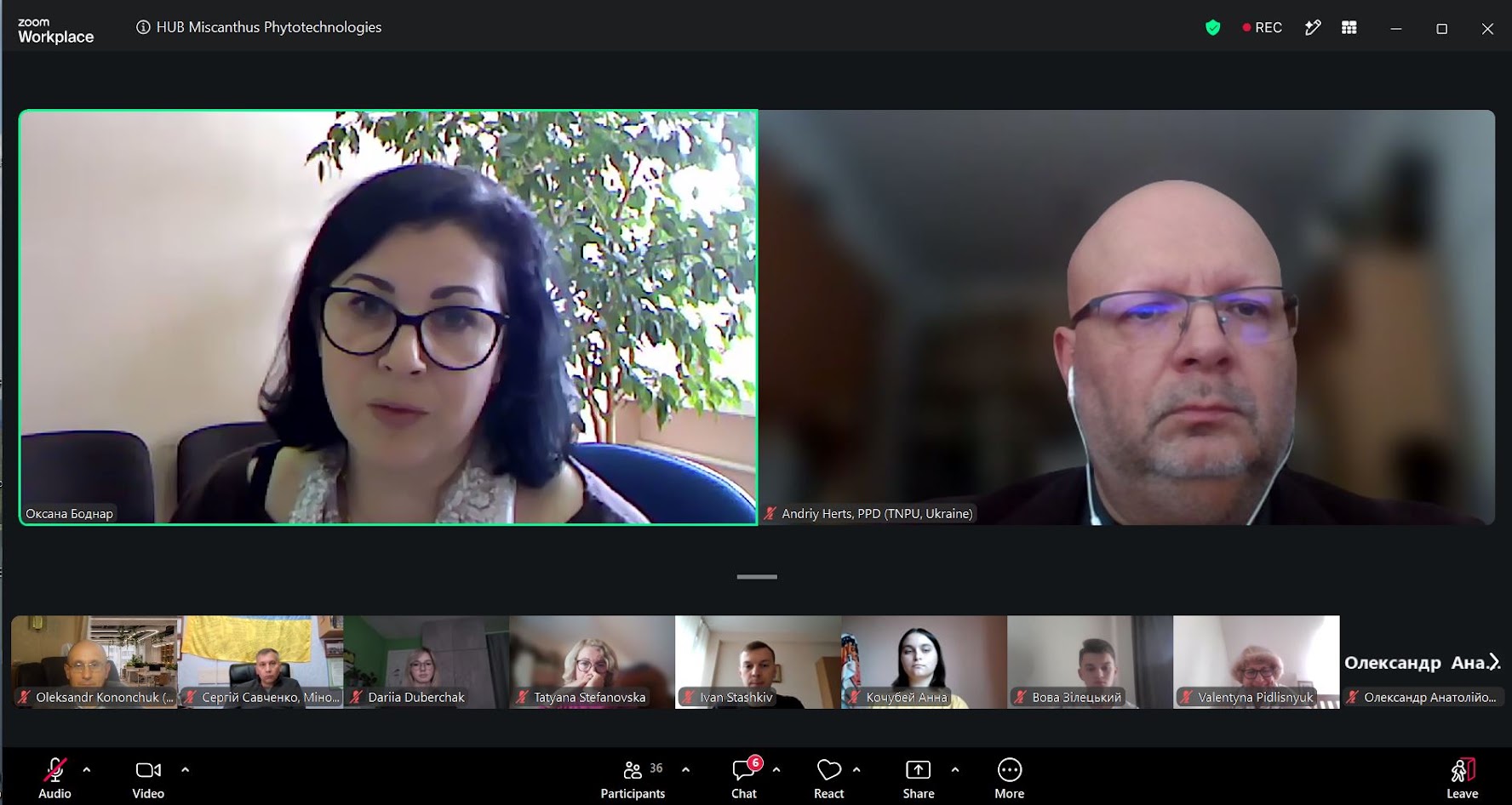
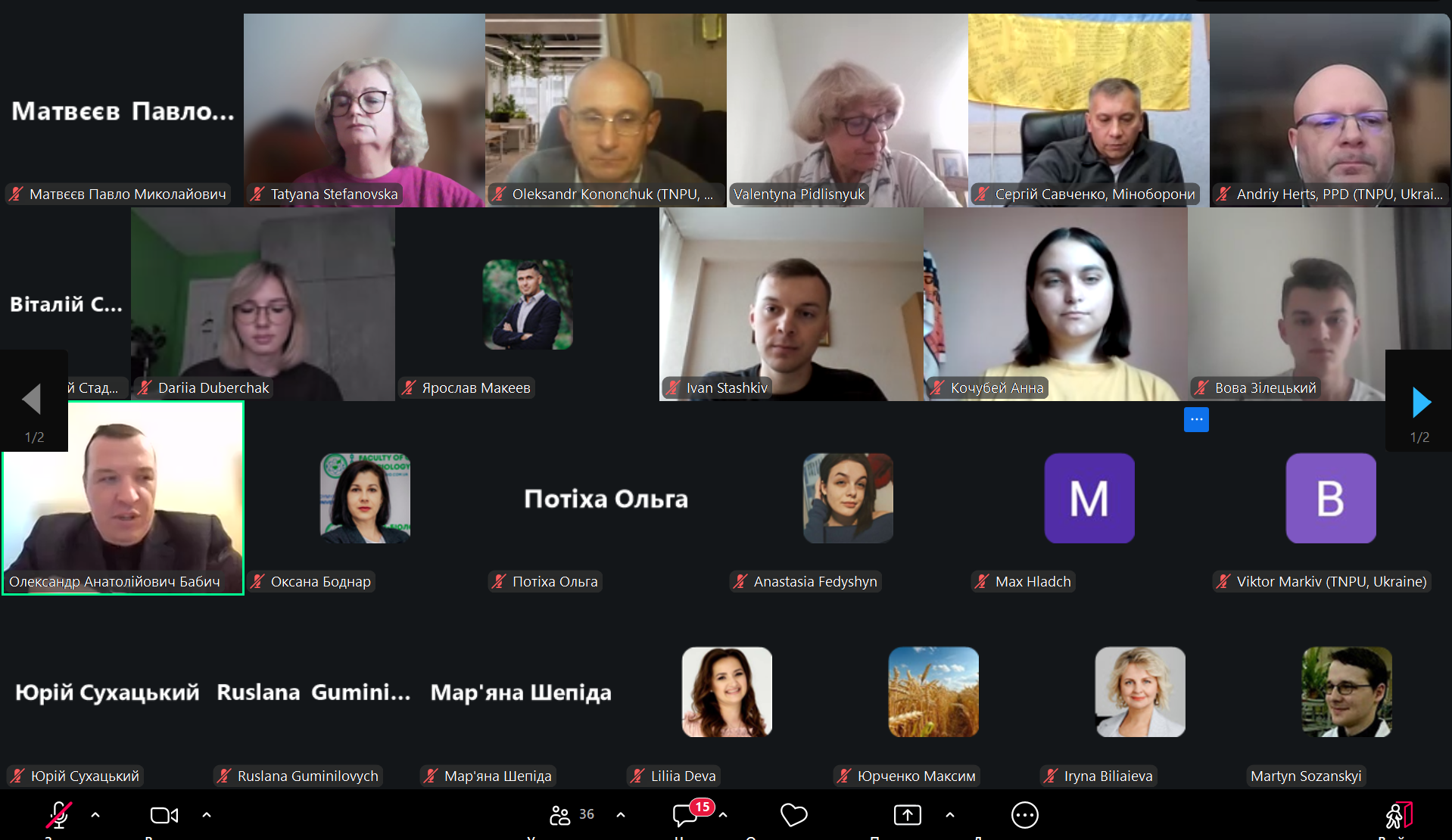
On October 29, 2026 the second HUB meeting was organized online by TVHNPU and NULES. The meeting was moderated by Dr. Andrii Herts (PPD, TVHNPU); Dr. Viktor Markiv, TVHNPU, who provided a technical support.
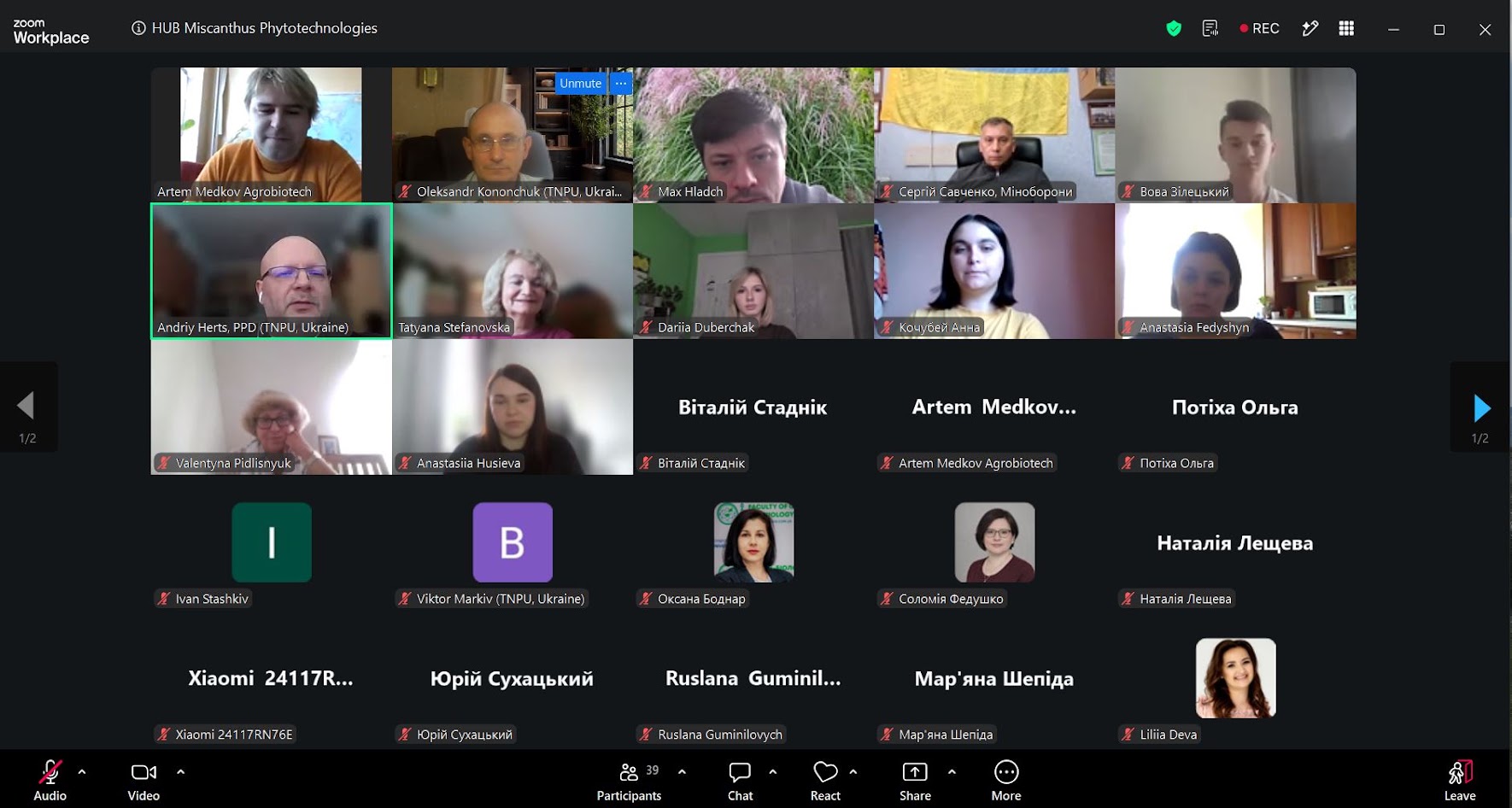
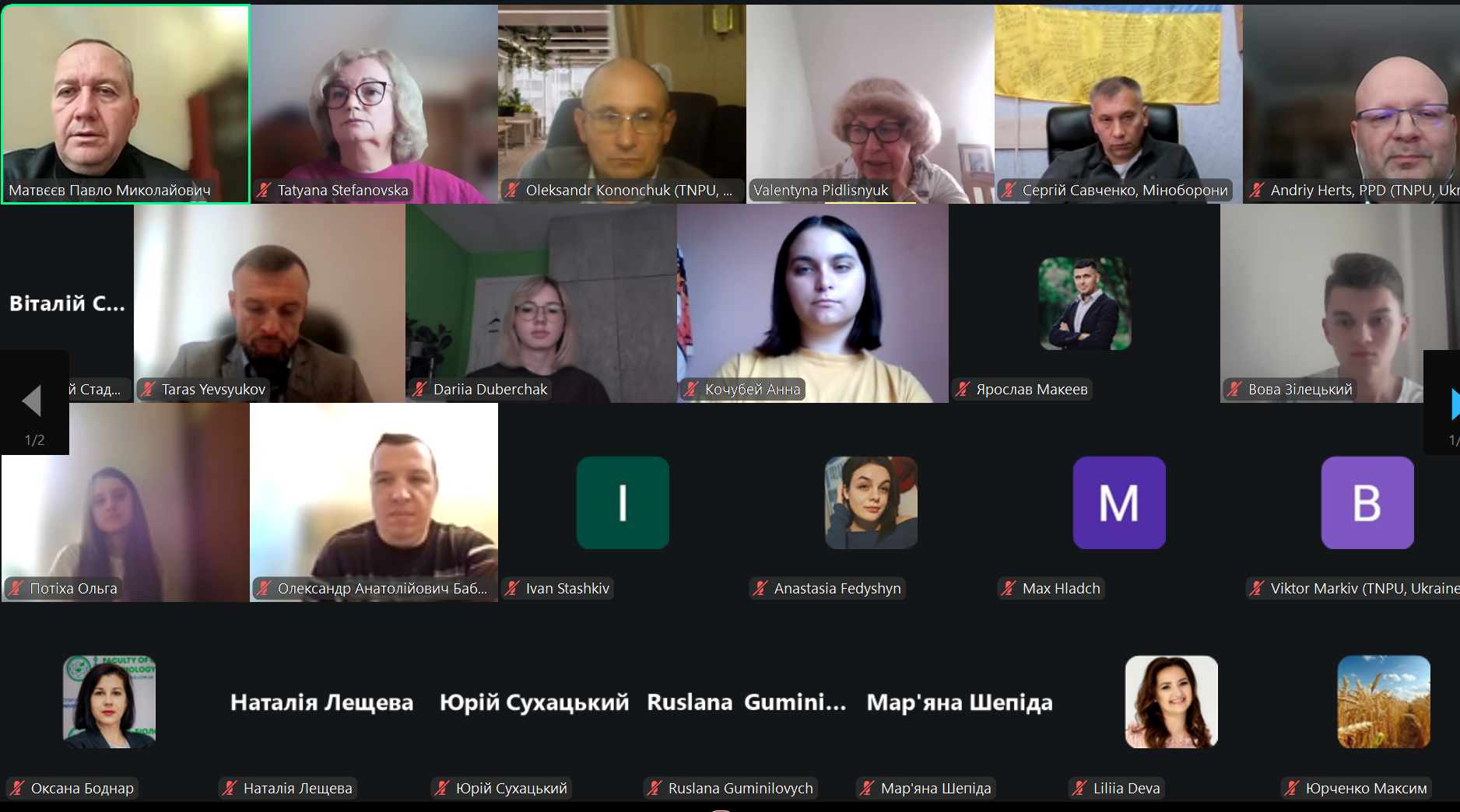
The event brought together 41 participants to discuss the potential application of advanced Miscanthus × giganteus phytotechnology for restoring military sites in Ukraine. Participants included representatives from the NATO Representation to Ukraine, the Ministry of Defence of Ukraine, land management associations, and territorial communities. Researchers from the G6094 project teams, as well as Master and PhD students from participating Ukrainian universities attended the event remotely.
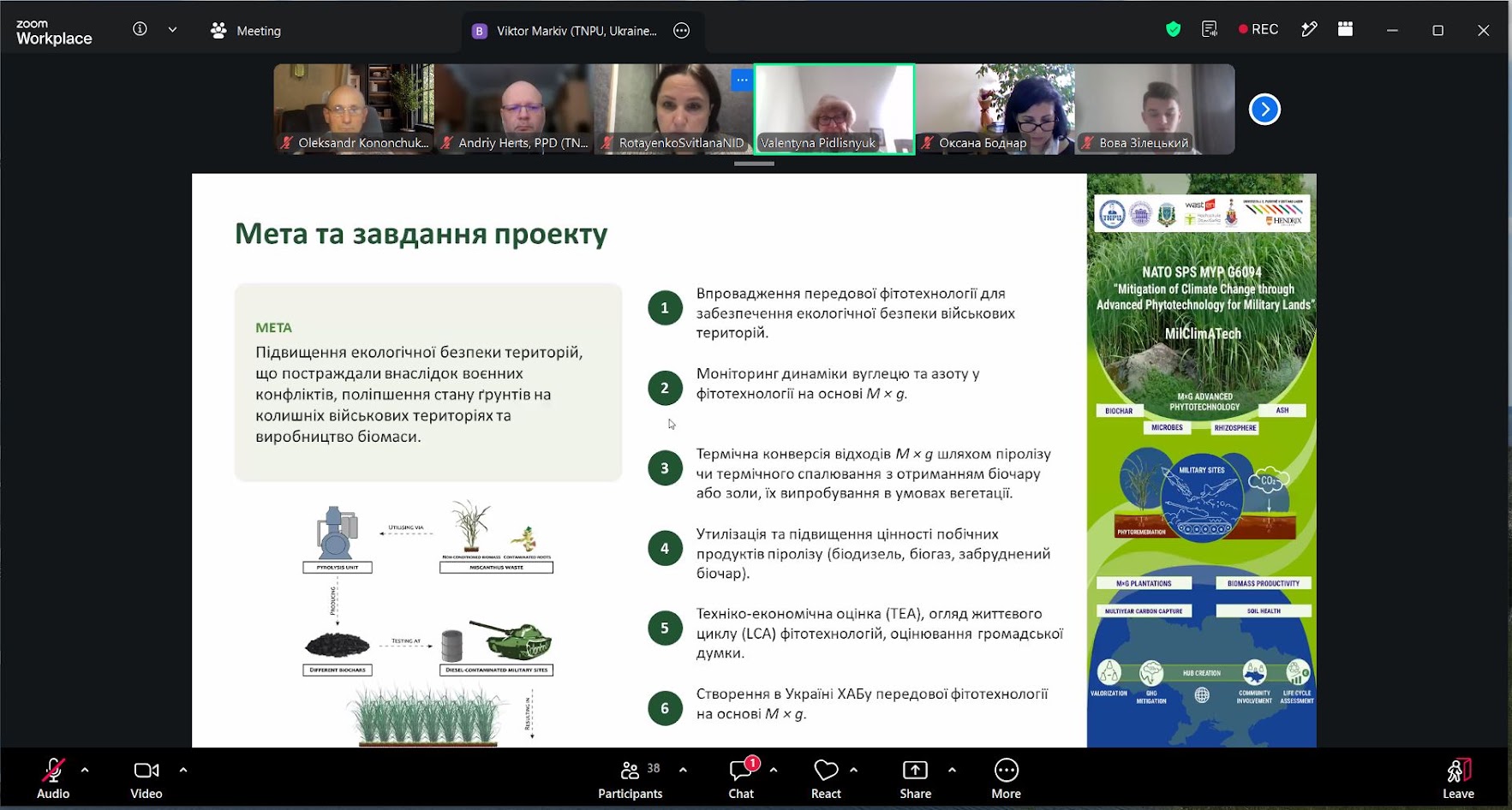
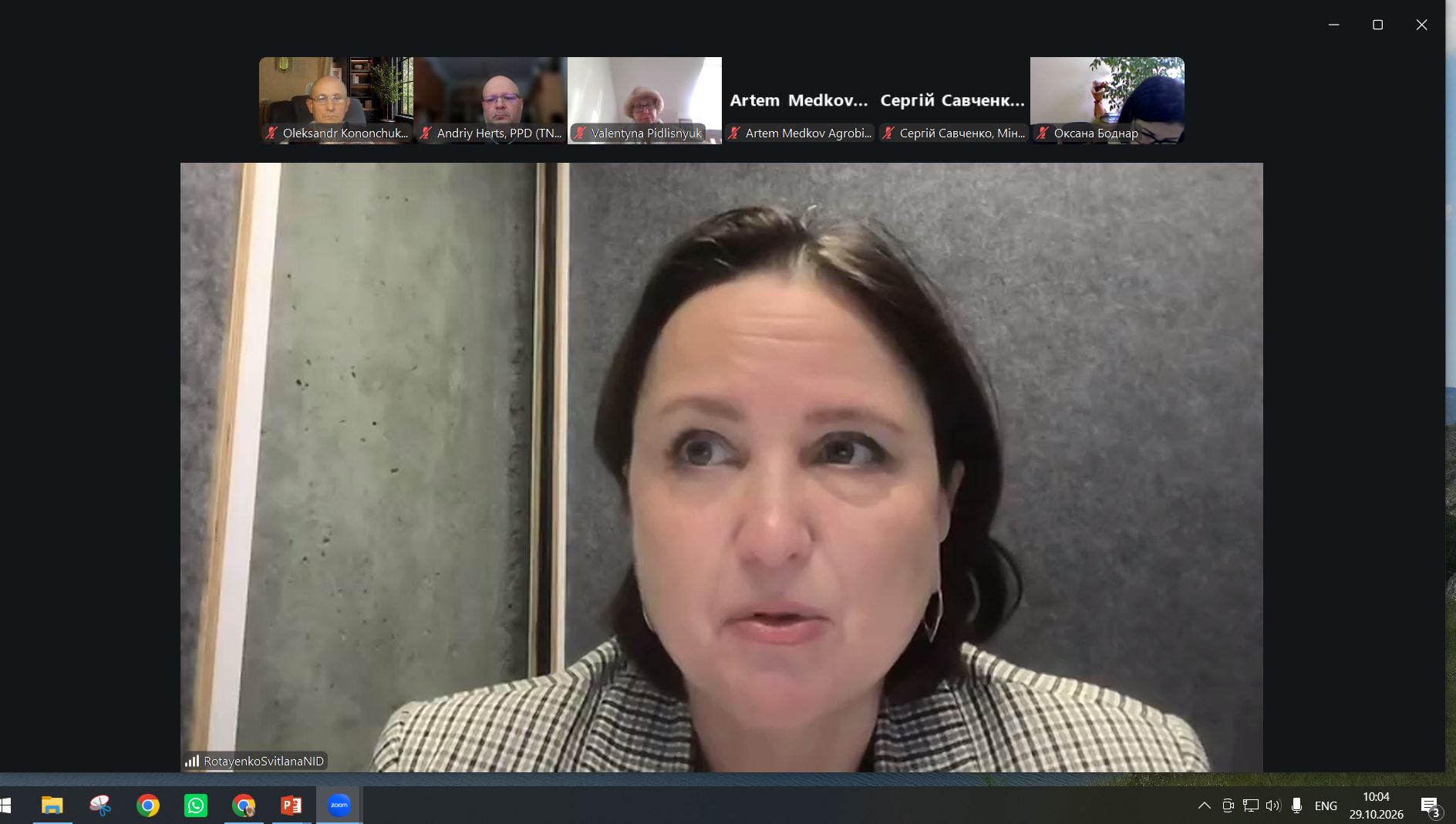
Mrs. Svitlana Rotaienko, Senior Programme Officer, NATO Representation to Ukraine, outlined NATO’s extensive support for Ukraine, including the contribution to international scientific cooperation. Professor Valentina Pidlisnyuk (NPD, UJEP) presented the G6094 project’s objectives and main achievements, emphasizing the importance of social acceptance of the developing advanced phytotechnology and active stakeholder engagement. Dr. Tatyana Stefanovska, Co-Director, NULES, summarized the HUB’s activities since its establishment in October 2025, highlighting the links between the project’s research results and their dissemination through HUB activities. Dr. Oleksandr Kononchuk (TVHNPU) shared the experience of cultivation M×g on the marginal and degraded lands and outlined the perspective for further biomass treatment to bioproducts.
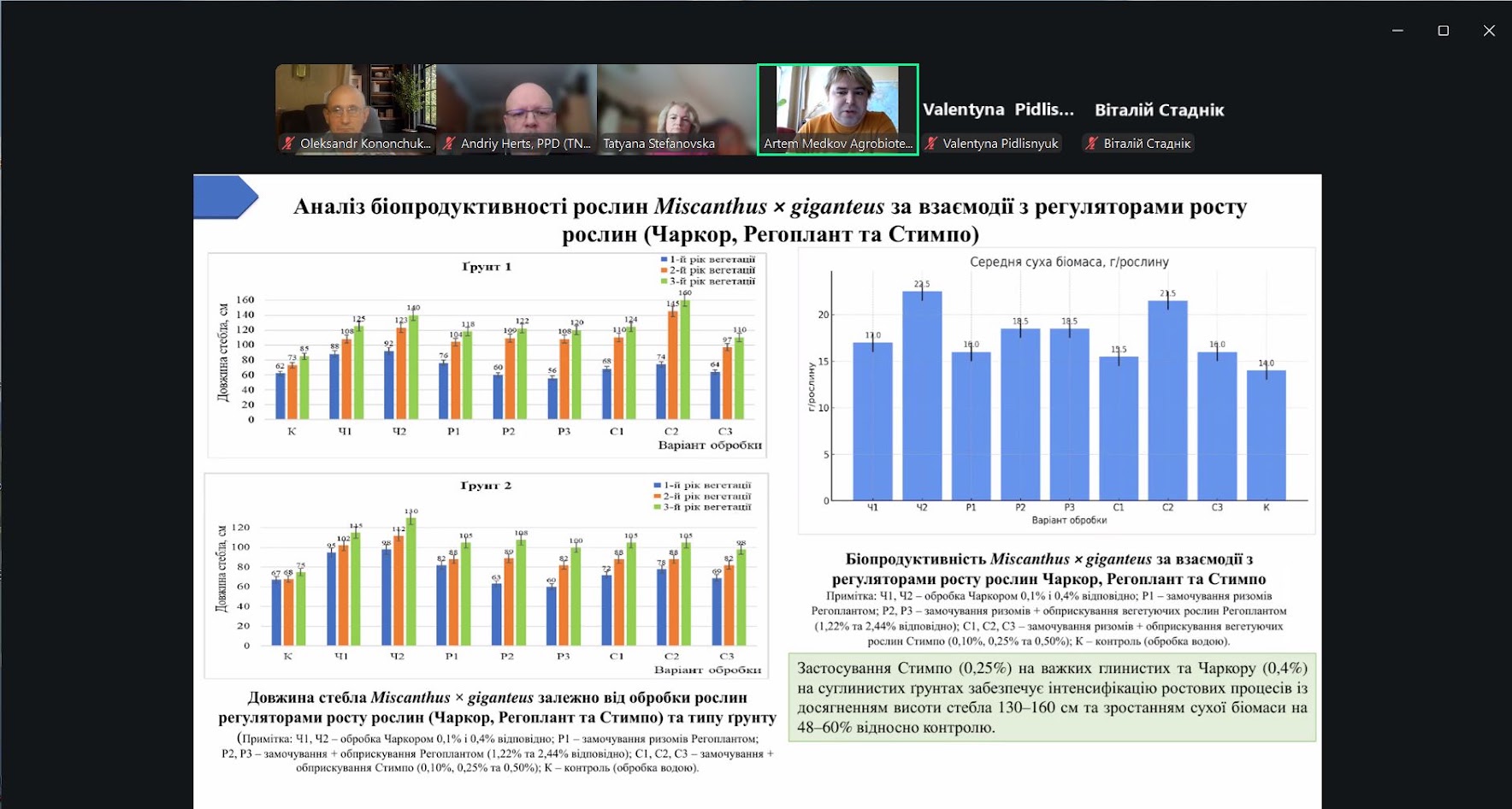
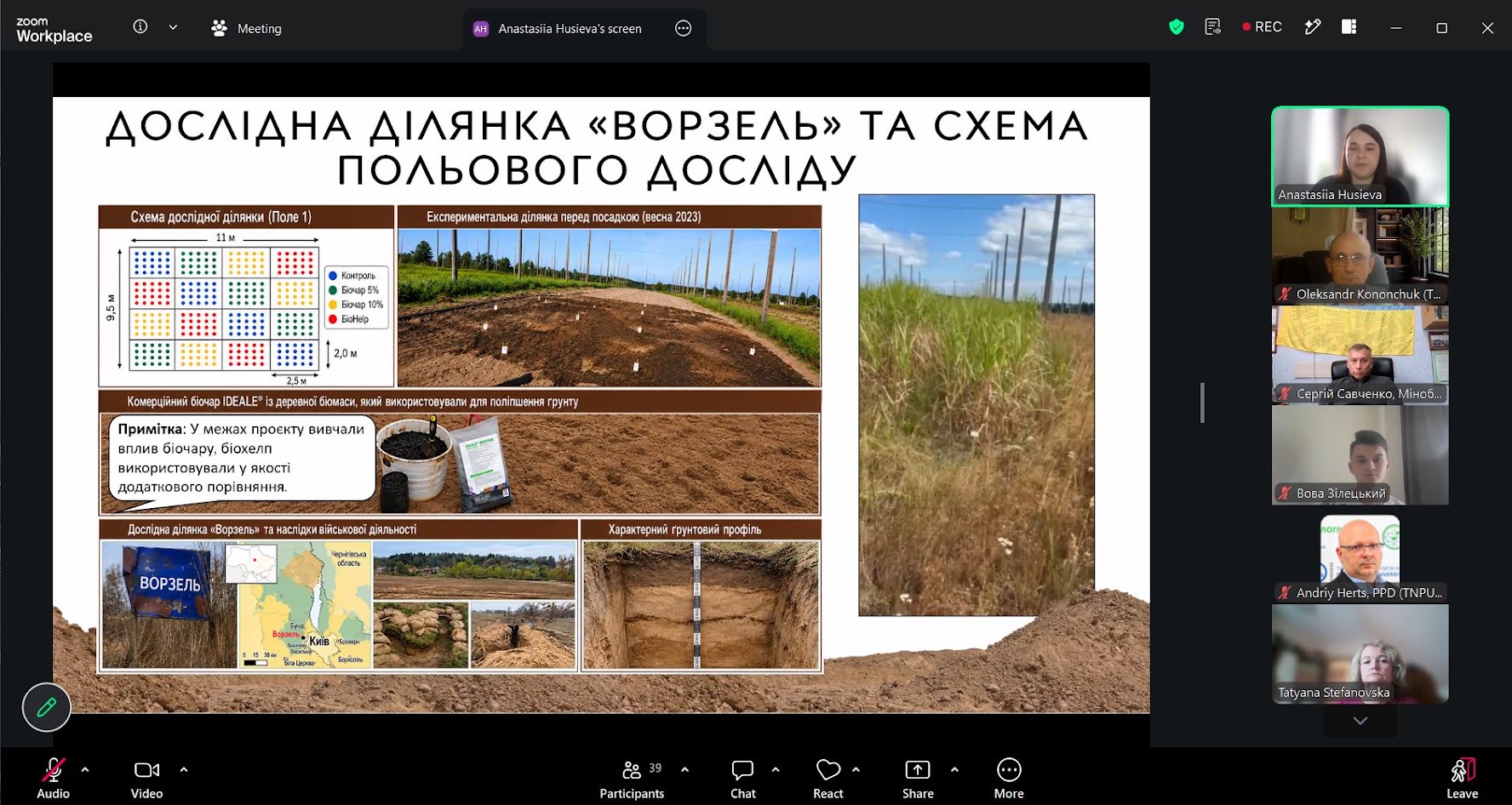
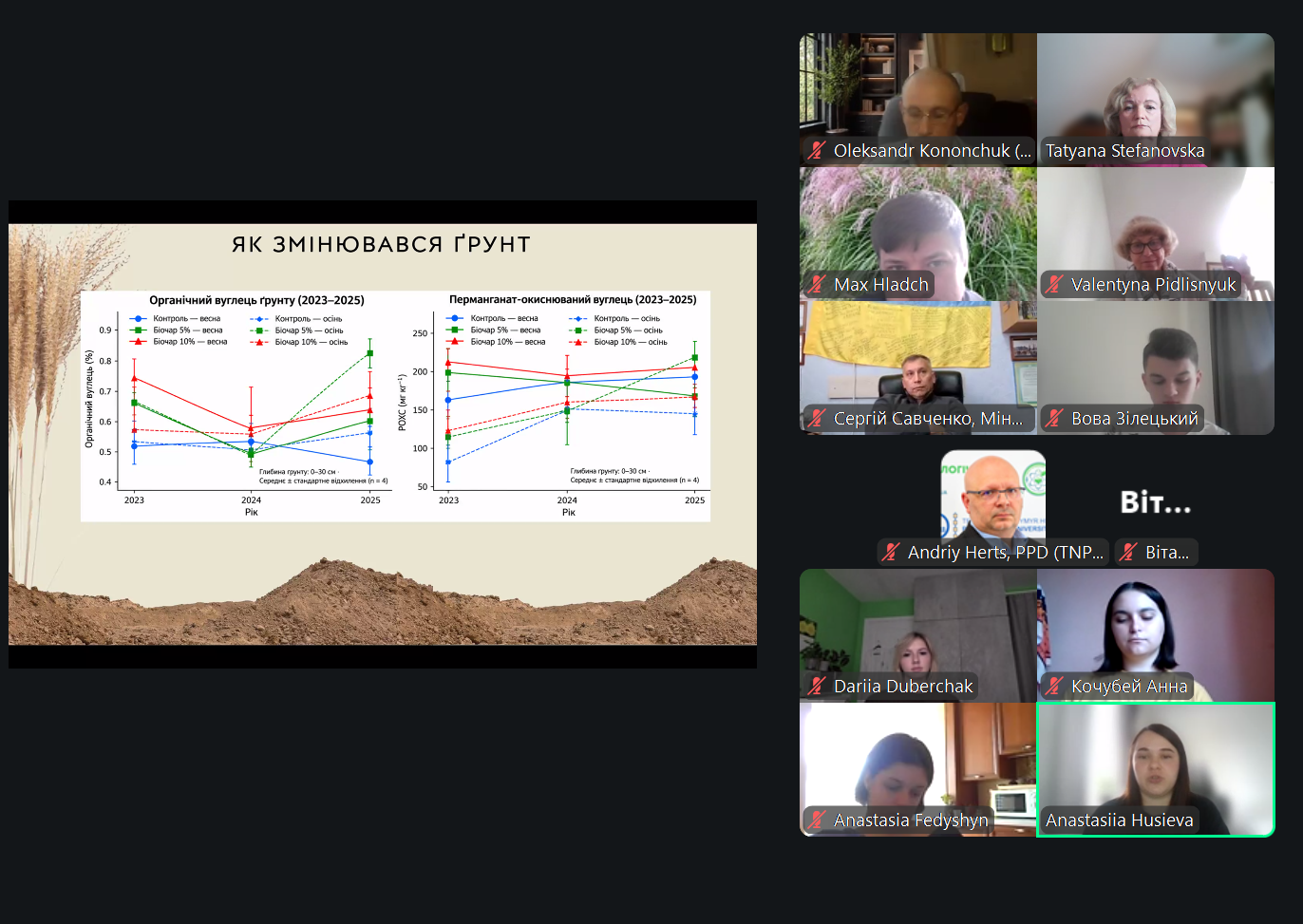
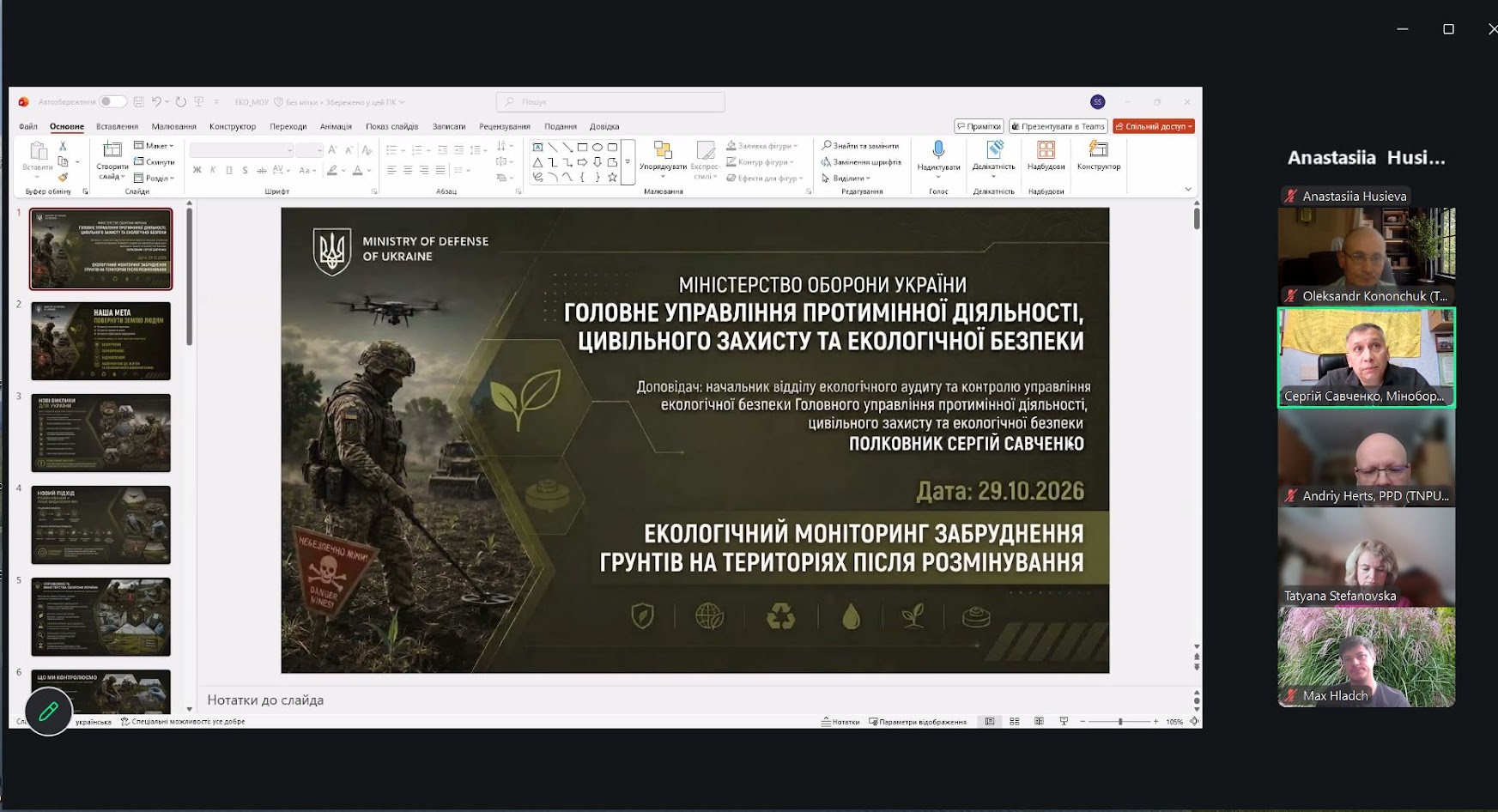
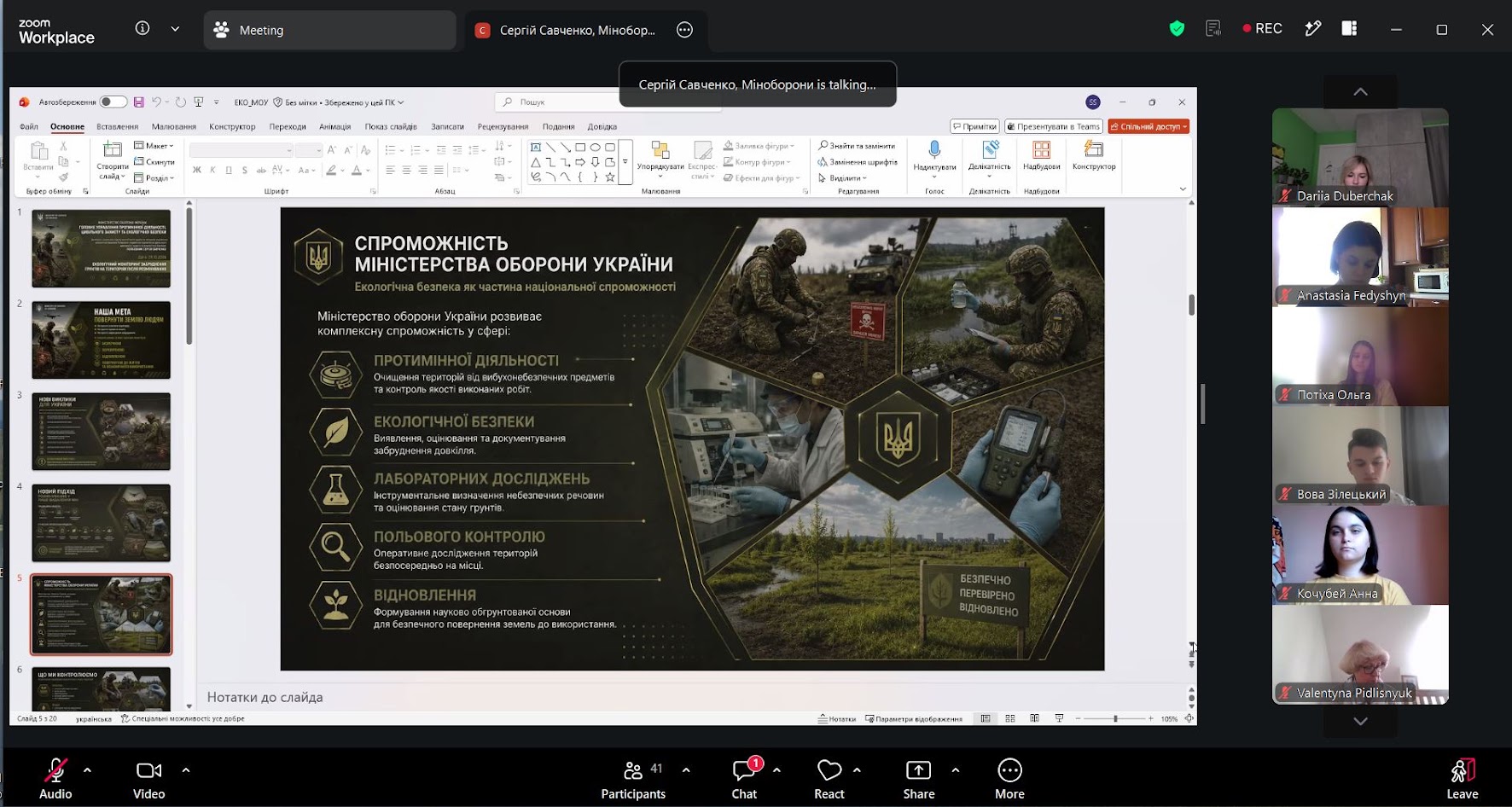
Colonel Serhii Savchenko, Head of the Environmental Audit and Control Department, Main Directorate for Mine actions, Civil Protection and Environmental Safety, Ministry of Defence of Ukraine, presented Ukraine’s experience in demining conflict-affected areas and the subsequent procedures for assessing the environmental conditions of demined sites. Dr. Artem Medkov and PhD student Anastasia Hysieva (both – NULES) overviewed ongoing G6094 research on soil health assessment under M×g plantations established at the former military sites in Vorzel and Dolyna, using soil nematodes as the biological indicators. Professor Taras Evsukhov, NULES, introduced the peculiarities of land management, legislative and organization framework for the revitalization of lands deteriorated by the military actions.
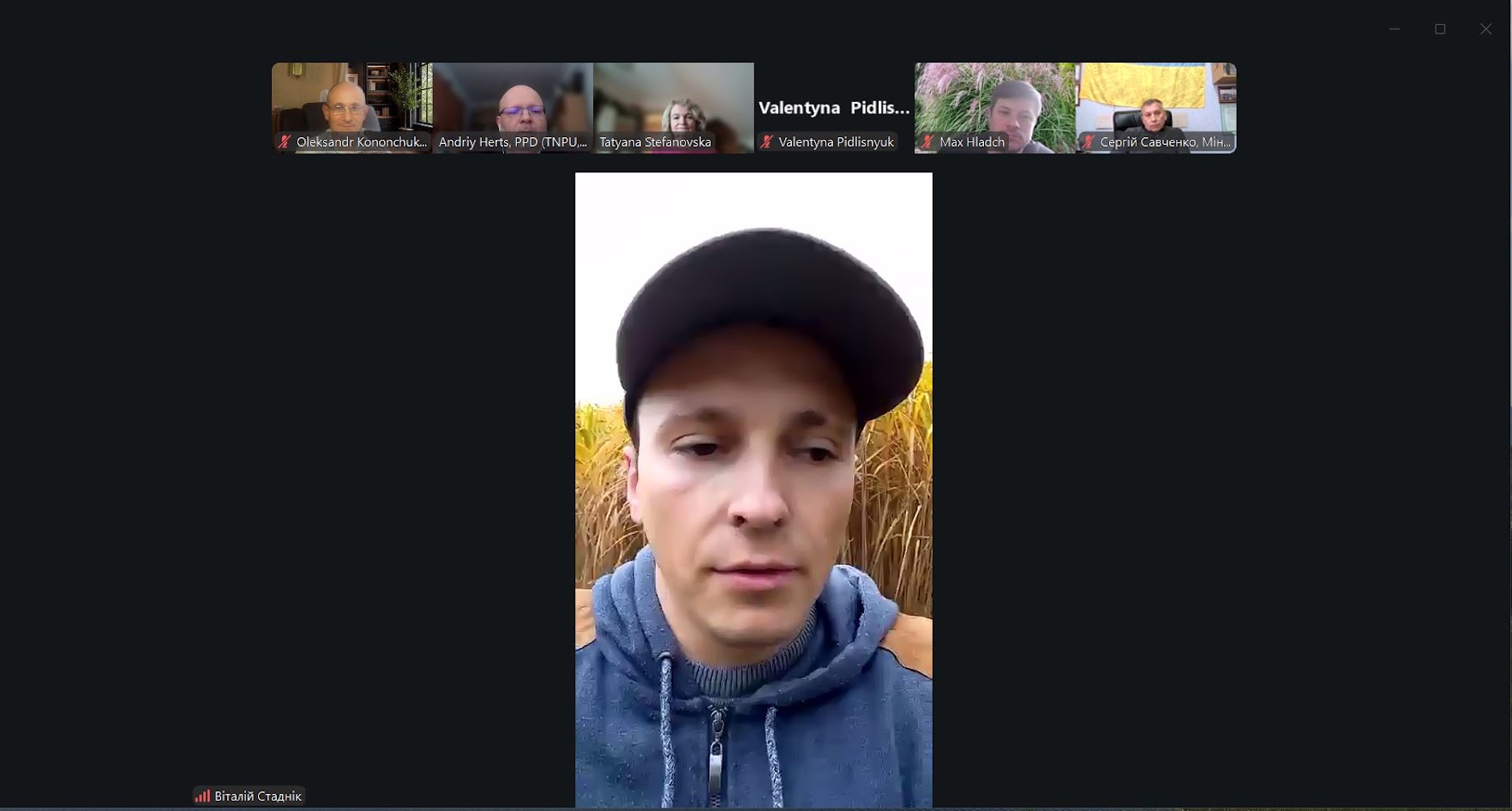
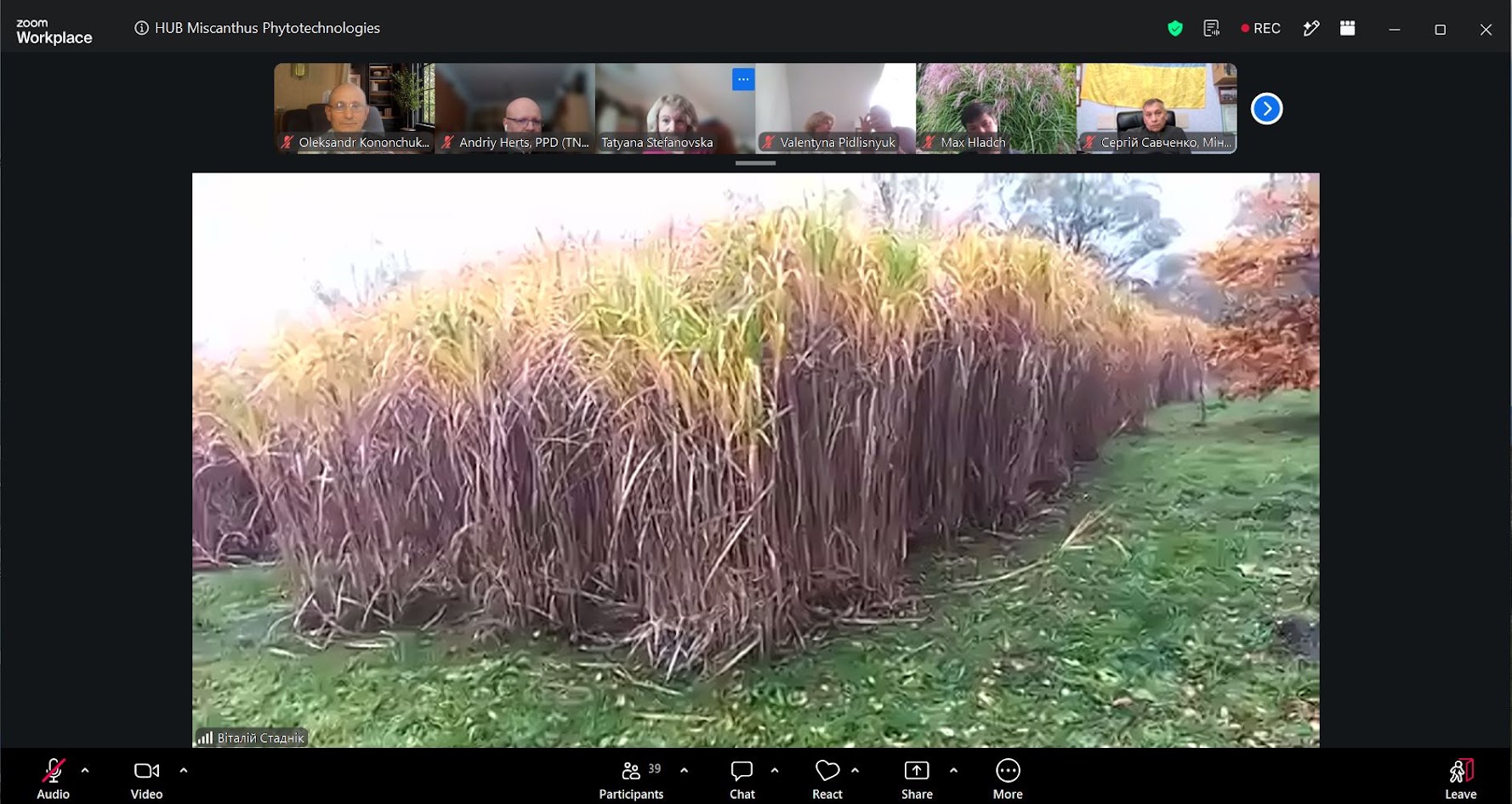
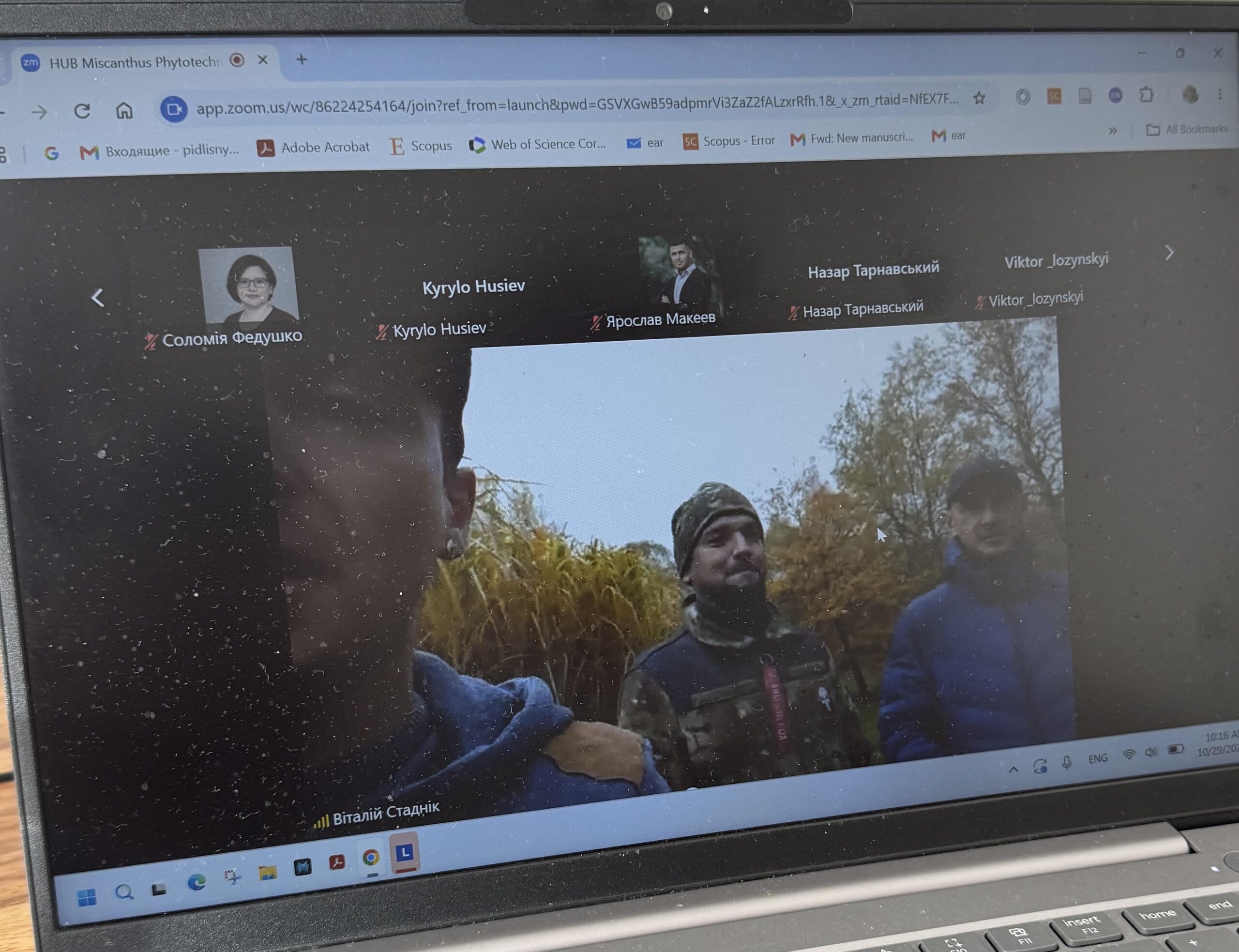
Participants watched a video documenting the Dolyna M×g plantation and field activities, streaming directly from the site by Dr. Vitalii Stadnik, Co-Director, LPNU, together with his team. Taras Halajchuk, a potential end-user from the Ivano-Frankivsk region and a former member of the Ukrainian Armed Forces, joined the field observation. His participation highlighted the importance of connecting scientific research with the practical needs of local stakeholders.
During the subsequent discussion, TVHNPU students Volodymyr Ziletskyi, Ivan Stakhiv, and Oleksandr Babich expressed interest in researching the conversion of M×g biomass into the value-added bioproducts. Joint supervision of their proposed master’s theses by professors from TVHNPU and UJEP was discussed as a potential next step towards strengthening Ukrainian–Czech academic cooperation.
The meeting concluded with a constructive discussion involving project researchers and representatives of Ukrainian territorial communities and professional stakeholders. From Kharkiv region, Yurii Perekupskyi, Land Department of the Rohan Settlement Territorial Community, and Dr.Pavlo Matvieiev, Head of the Association of Certified Surveyors of Ukraine, discussed the challenges of restoring degraded and war-affected land and expressed interest in the land-restoration technologies developed by the international research team. The discussion highlighted practical considerations for future implementation, including access to funding, identification of suitable sites for demonstration activities, and land-use arrangements. From Sumy region, Dr. Olexander Babych conveyed the interest of Olha Harkavenko, Head of the Novoslobidska Rural Territorial Community, in cooperation with the HUB and in exploring opportunities to apply the developed phytotechnology approaches to war-affected land. Representing Dolyna City Council, Ivano-Frankivsk region, Olena Nemets, Head of the Project Applications Department, Department of External Relations and Local Development, highlighted the value of Dolyna’s long-term cooperation with the project through the established demonstration site. She expressed the community’s willingness to continue supporting this cooperation and to share the experience gained in Dolyna with other Ukrainian communities whose lands have been affected by military activities.
Overall, HUB meeting identified important directions to strengthen local stakeholder engagement and involve HUB members and territorial communities in future G6094 dissemination activities. These efforts will support knowledge exchange, foster Ukrainian–Czech cooperation, and promote the wider application of sustainable Miscanthus phytotechnology for the restoration of degraded and war-affected lands in Ukraine.