Maintaining and soil sampling at the Miscanthus research field in Ukraine
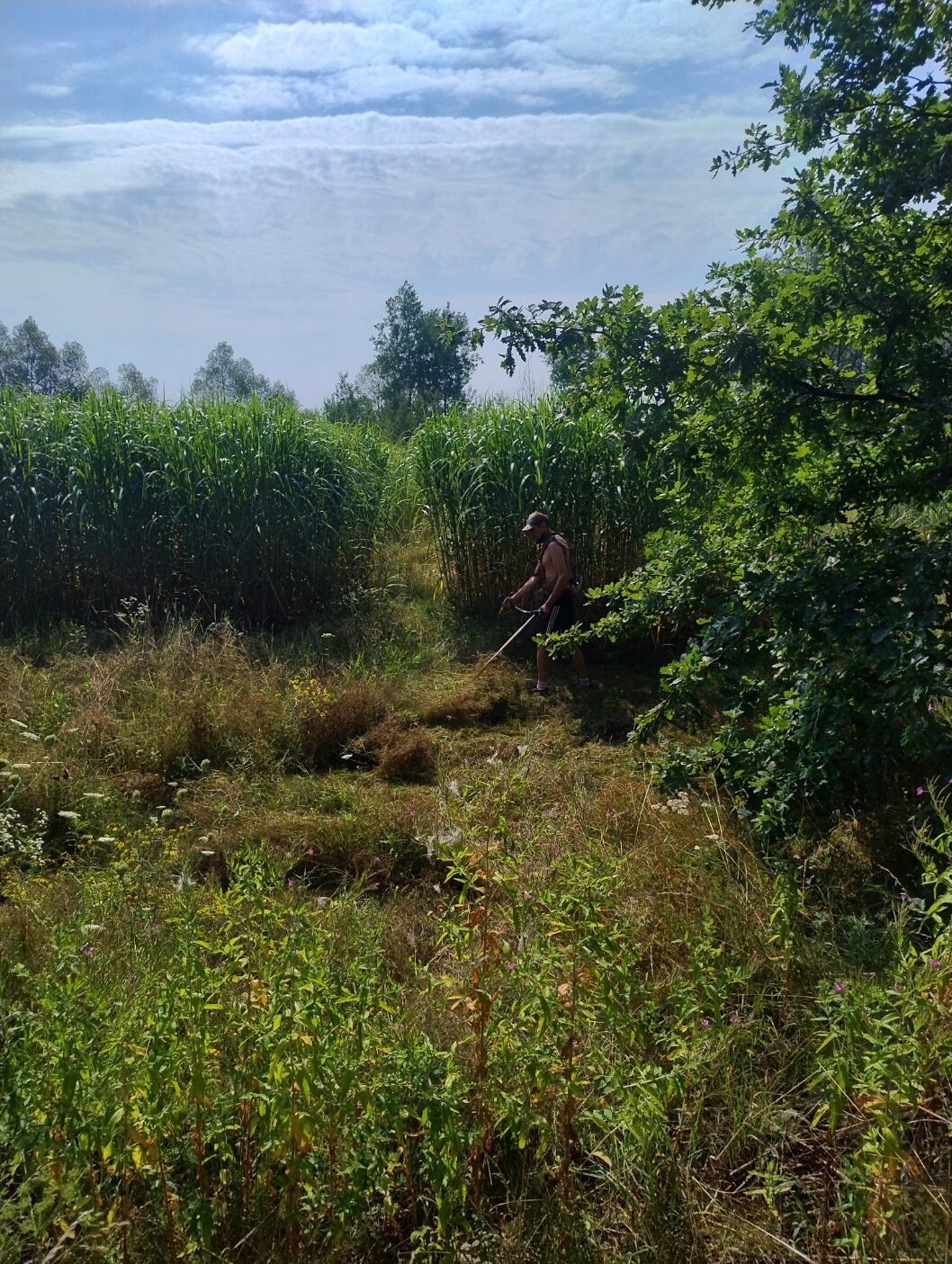
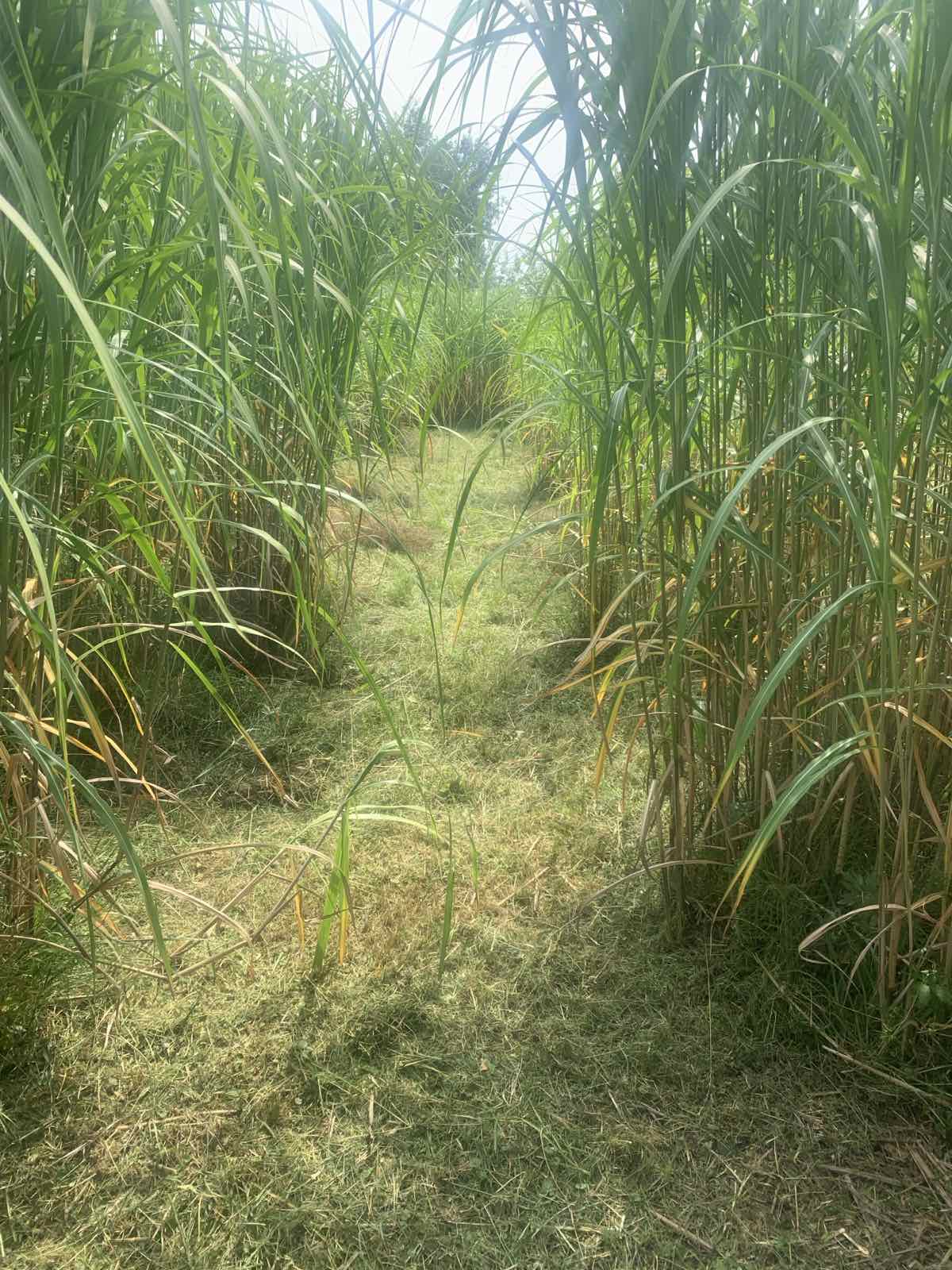
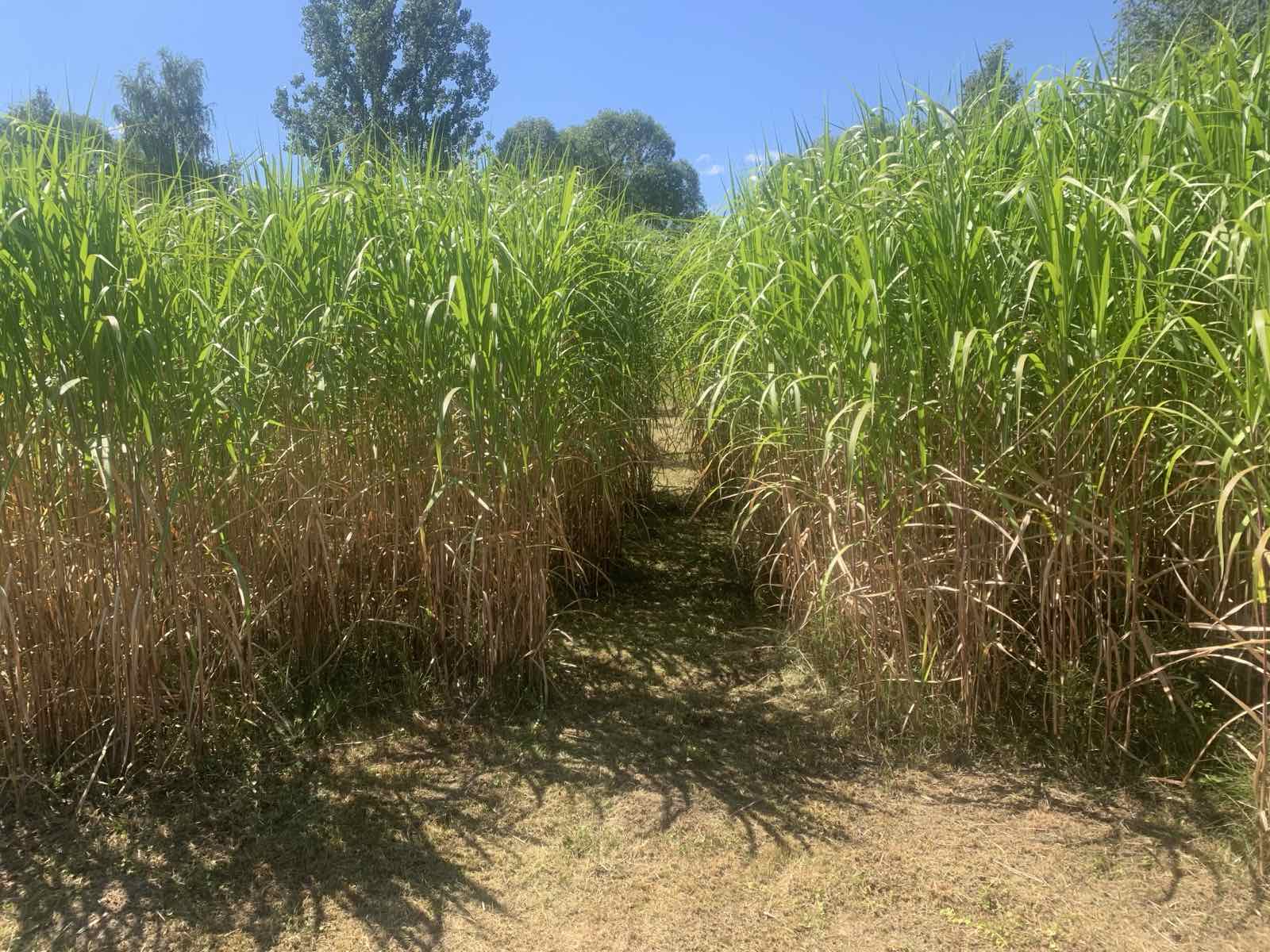
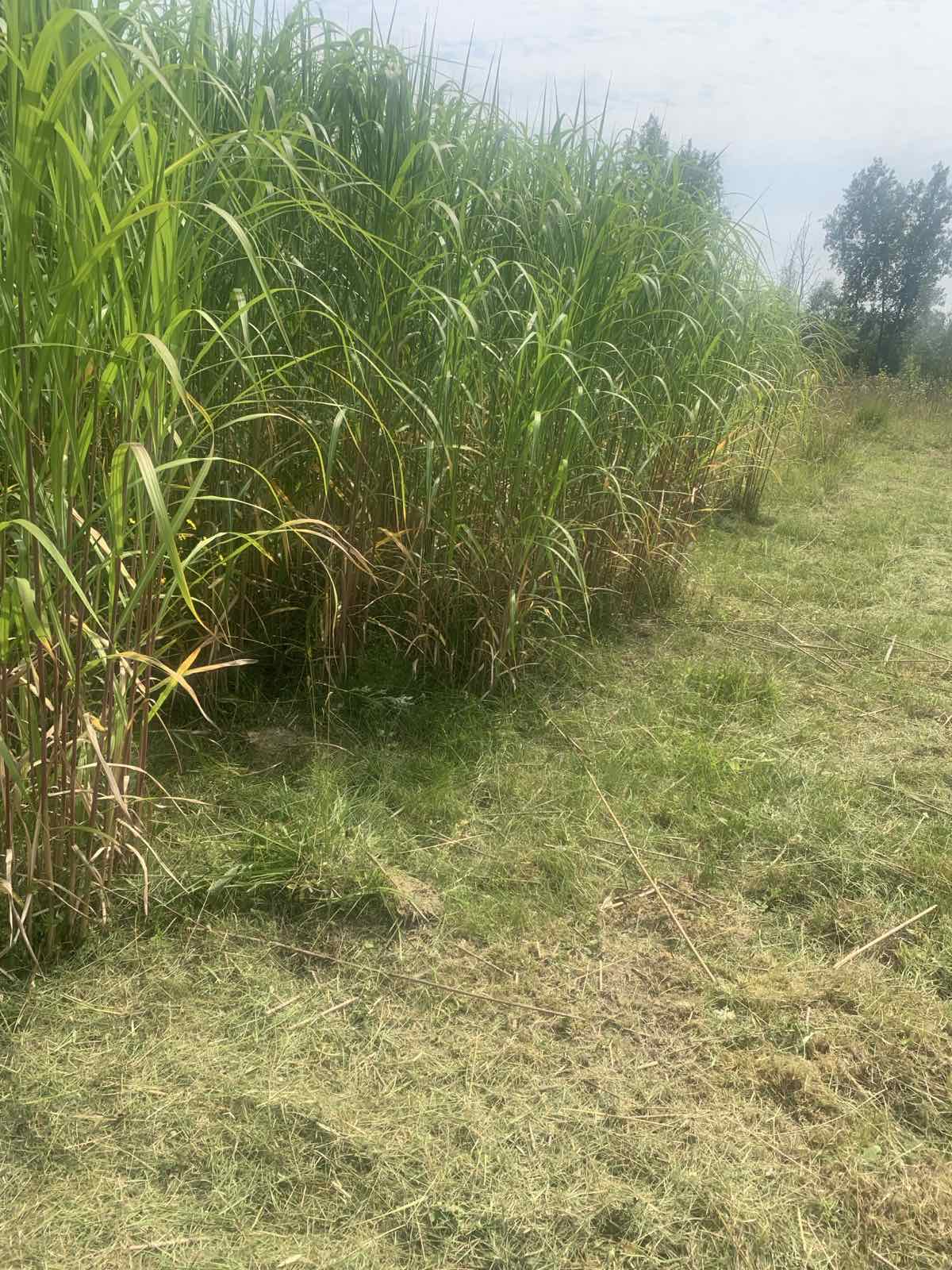
During the summer months (June–August 2026), the LPNU team maintained the Miscanthus × giganteus (M×g) research plantation in Dolyna, Ivano-Frankivsk region, Ukraine. The plantation was established in 2017, providing a long-term field platform for assessing the effects of plant growth regulators (PGRs) and agricultural management practices on M×g growth, soil properties, and phytotechnology performance.
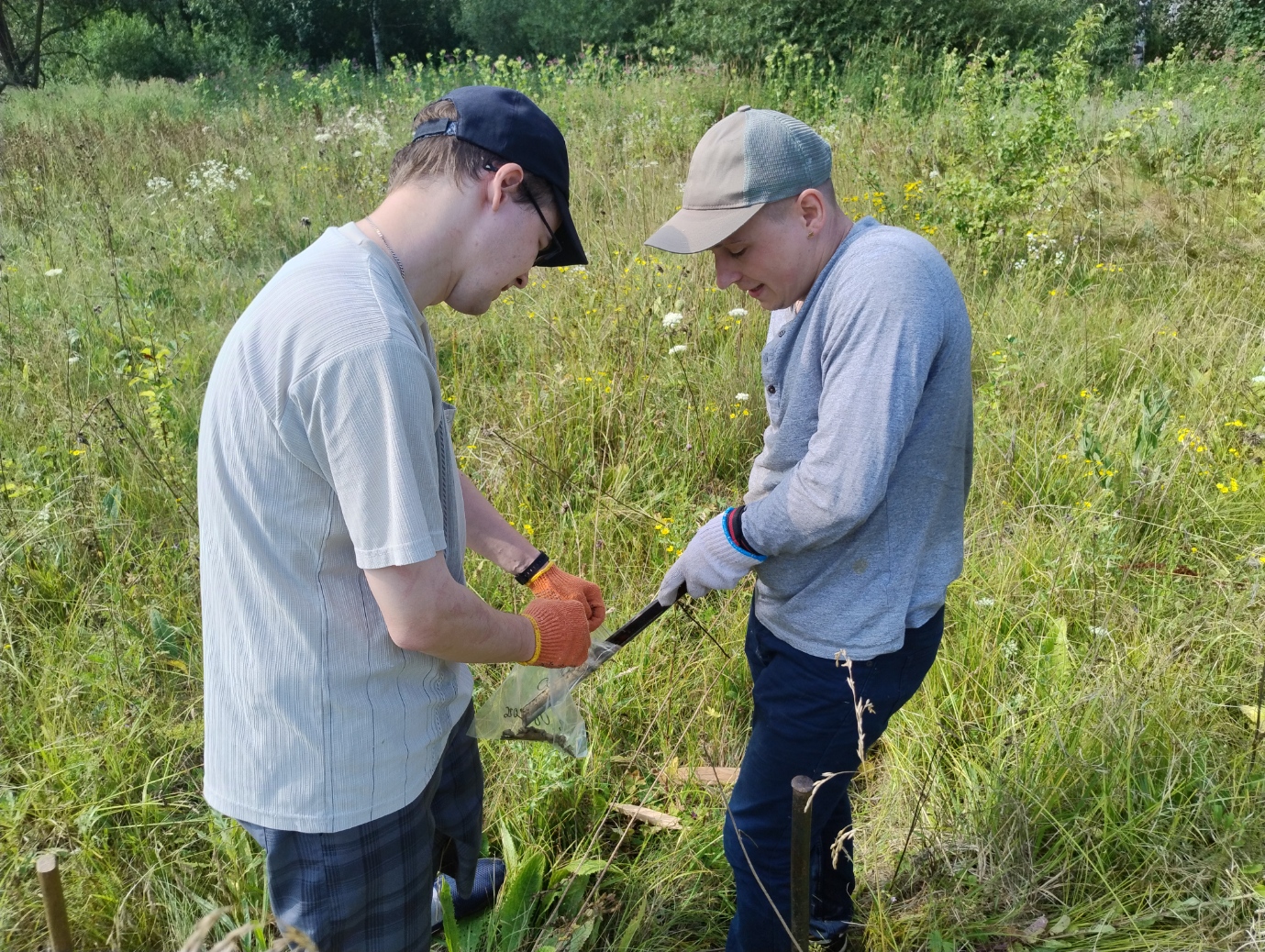
During field visits, Co-Director Dr. Vitalii Stadnik, together with young researchers Dr. Martyn Sozanskyi and Dr. Yurii Hrynchuk, and local end-users, conducted routine plantation maintenance. Activities included weed removal around the plantation and cleaning of the inter-row spaces to maintain appropriate growing conditions. In addition, soil samples were collected for monitoring trace elements (TEs) concentrations, supporting the long-term assessment of soil quality and contaminant dynamics. The Dolyna plantation has been selected as an illustrative research site for the G6094 HUB activities, demonstrating the long-term application of M×g phytotechnology for the management and ecological restoration of disturbed land. In this context, the LPNU team also arranged video documentation of the plantation for presentation during the G6094 HUB meeting scheduled for October 2026, thereby facilitating the dissemination of field-based evidence on M×g phytotechnology.
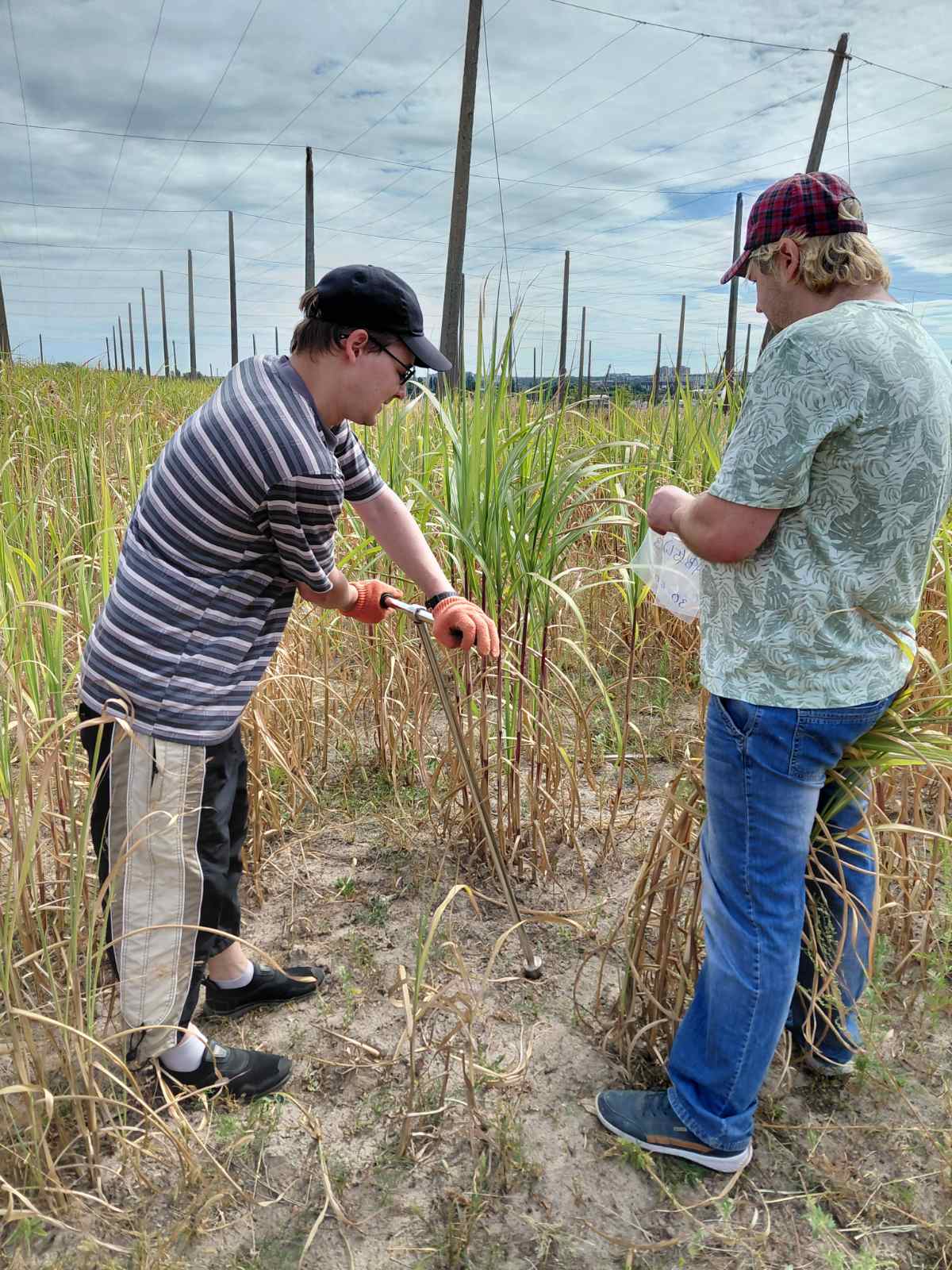
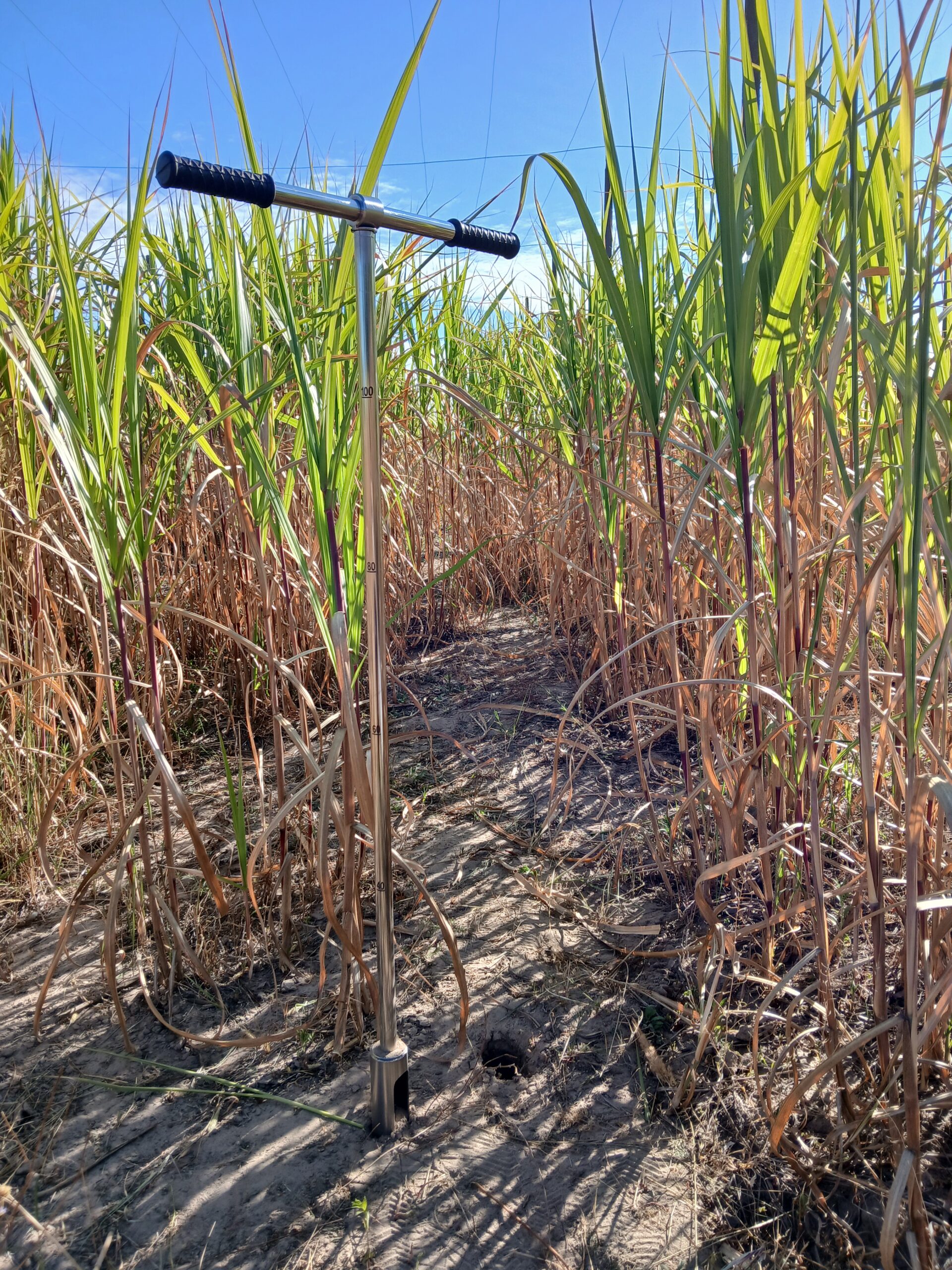
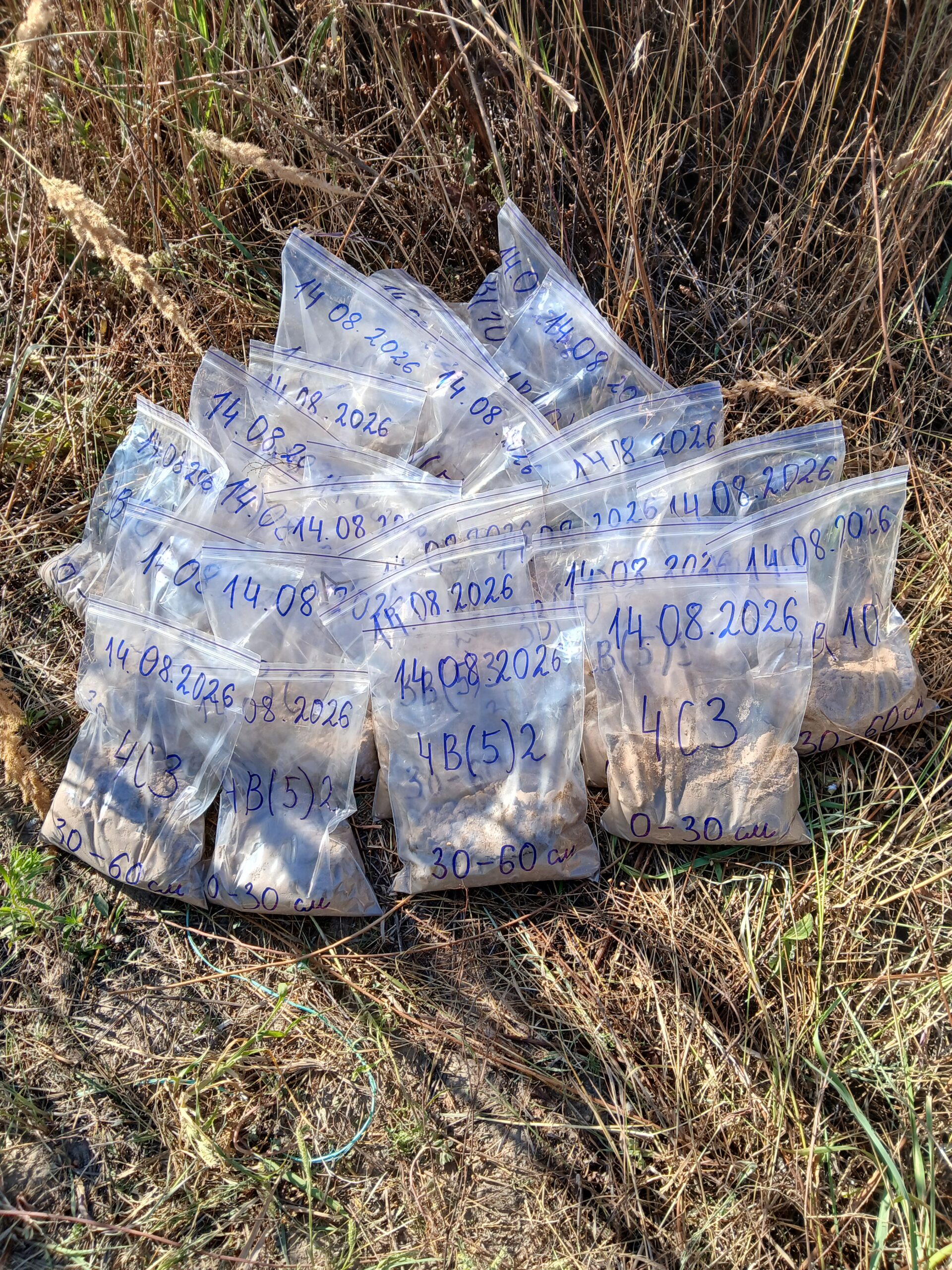
On 3 August 2026, Dr. Martyn Sozanskyi visited the Vorzel M×g plantation in the Kyiv region and, together with the NULES research team, collected soil samples from depths of 30 and 60 cm. The samples will be analysed for soil carbon (C) and nitrogen (N) concentrations following several years of M×g cultivation with the application of wood-derived and M×g-derived biochars.
The soil C and N assessment is particularly important for quantifying the contribution of long-term M×g cultivation and biochar amendment to soil carbon sequestration and carbon stabilization. The combined input of carbon-rich M×g biomass, below-ground root systems, rhizodeposition, and persistent biochar-derived carbon may increase the amount of carbon retained in soil and contribute to the long-term development of soil carbon pools. Measurements at different soil depths will provide evidence on the vertical distribution of soil organic carbon and help assess whether carbon accumulation extends beyond the upper soil layer. These results will contribute to evaluating the carbon-sequestration potential and climate-mitigation value of M×g-based phytotechnology on disturbed and contaminated land, including its potential for simultaneous soil restoration and long-term carbon storage.